Shipping Estimate
USA
- USA
- CAN
- USA
- CAN
Ships within 48 hours · Estimated delivery Jul 15 - Jul 20
 Promo Codes Available:
For Your Every Summer RSVP, with Code: SUMMER15
Description
hibiscus plant indoor or outdoor Buy Florida Sunset Hibiscus Phoenix, AZ | HibiscusPhoenix's Most Dramatic Tropical Hibiscus Florida Sunset for Desert Gardens Florida Sunset Hibiscus (Hibiscus rosa sinensis 'Florida Sunset') is one of the most visually stunning tropical shrubs available for Phoenix and Scottsdale landscapes. Each oversized bloom showcases a bold gradient blazing orange at the petals fading to a deep red center like a living sunset captured in flower form. Blooms can reach 68 inches across, creating a focal point
Phoenix's Most Dramatic Tropical Hibiscus — Florida Sunset for Desert Gardens
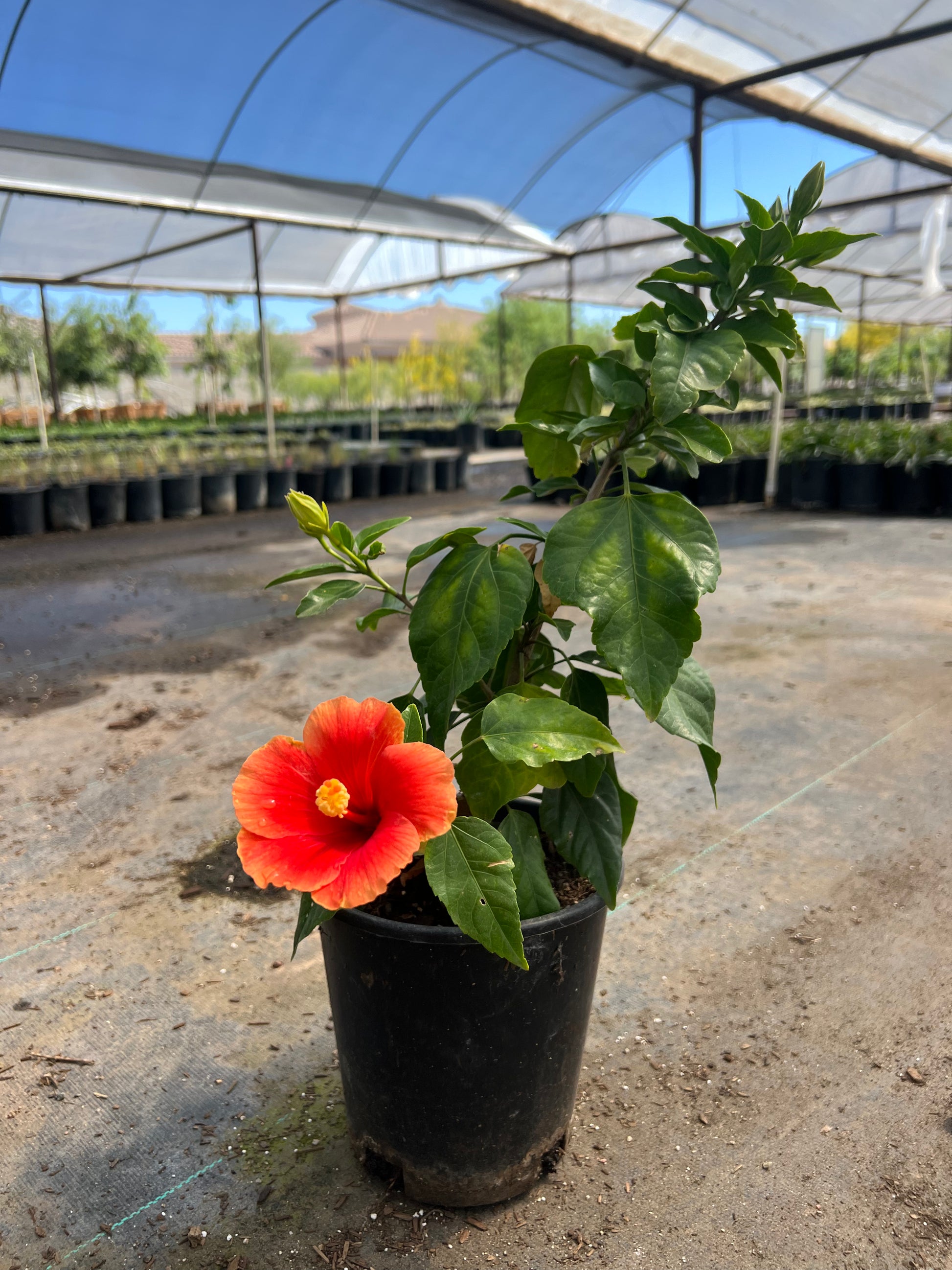
Florida Sunset Hibiscus (Hibiscus rosa-sinensis 'Florida Sunset') is one of the most visually stunning tropical shrubs available for Phoenix and Scottsdale landscapes. Each oversized bloom showcases a bold gradient — blazing orange at the petals fading to a deep red center — like a living sunset captured in flower form. Blooms can reach 6–8 inches across, creating a focal point that stops visitors in their tracks. Whether you're adding tropical drama to a Chandler backyard, creating a lush pool-side planting in Mesa, or making a bold statement in a Tempe garden, Florida Sunset Hibiscus delivers unforgettable color from spring through fall with reliable re-blooming. Hardy in Zones 9–11 and naturally suited to Phoenix's hot, sunny climate.
Florida Sunset Hibiscus Plant Details
| Attribute | Detail |
|---|---|
| Scientific Name | Hibiscus rosa-sinensis 'Florida Sunset' |
| Common Names | Florida Sunset Hibiscus, Tropical Hibiscus |
| Mature Height | 4–6 ft. |
| Mature Width | 3–5 ft. |
| Growth Rate | Moderate to fast — 2–3 ft. per year in Phoenix |
| Sun | Full sun (6+ hrs). Thrives in Phoenix's intense heat with adequate water. |
| Water | Moderate; regular deep watering in summer heat. Not drought-tolerant. |
| USDA Zones | 9–11 (Phoenix is Zone 9b–10a) |
| Soil | Well-draining, enriched. Amend Arizona caliche soils with organic material. |
| Foliage | Semi-evergreen — may drop leaves in Phoenix winters but rebounds in spring |
| Bloom Color | Vivid orange with deep red center (sunset gradient) |
| Bloom Season | Spring through fall; nearly year-round in warm Phoenix winters |
Florida Sunset Hibiscus Uses in Phoenix Landscapes
Tropical Pool-Side Planting
Florida Sunset Hibiscus is one of the top choices for creating a resort-style, tropical atmosphere around Phoenix pools. Its large, colorful blooms and lush foliage evoke the look of a tropical getaway without leaving Scottsdale or Gilbert. Plant it in groups of 3–5 around a pool patio for a layered, full-color tropical effect. Pair with Bird of Paradise and Bougainvillea for a complete resort aesthetic. Space plants 4–5 ft. apart for a full, lush pool-side border.
Focal Point Specimen Plant
Few plants command attention like Florida Sunset Hibiscus in full bloom. Position it at the end of a garden path, in a corner where two walls meet, or as the centerpiece of a mixed shrub bed. The dramatic orange-to-red gradient blooms are true showstoppers that create an instant focal point in any Peoria or Glendale landscape. Plant a single specimen in a decorative container on a covered patio for maximum visual impact near outdoor living spaces.
Colorful Privacy Screen
Florida Sunset Hibiscus grows to 4–6 feet with dense foliage, making it an effective mid-height privacy screen when planted in a row. Unlike purely green hedges, this screen offers spectacular floral color all season long. For a 20-foot screen: plant 4–5 shrubs spaced 4 ft. apart. For 40 feet: 8–10 plants. Combine with taller Bougainvillea or Giant Bird of Paradise behind for layered privacy.
Patio Container Planting
Florida Sunset Hibiscus thrives in large containers, making it ideal for covered patios, courtyards, and entryways in Phoenix where in-ground planting isn't possible. Use a 15–25 gallon container with well-draining potting mix. Container plants need more frequent watering than in-ground — check soil moisture daily in peak Phoenix summer. Move containers to protected areas during rare Phoenix cold snaps below 32°F.
Best Time to Plant Florida Sunset Hibiscus in Phoenix
Spring (February–April) is ideal for Florida Sunset Hibiscus in Phoenix — warm temperatures encourage rapid establishment and you'll likely see blooms within weeks of planting. Fall planting (October–November) is also excellent; the plant establishes roots through winter and is ready to burst into growth and bloom the following spring. Avoid planting in peak Phoenix summer heat (June–August) if possible, as newly transplanted hibiscus struggle with extreme temperatures and water stress simultaneously.
How to Plant Florida Sunset Hibiscus
- Dig wide, not deep — excavate 2–3x the root ball width and the same depth.
- Amend the soil — unlike drought-tolerant desert plants, hibiscus benefits from added organic matter. Mix 30–40% compost into backfill. Break through any caliche layer for drainage.
- Backfill and firm — fill in amended soil and gently firm to eliminate air pockets around roots.
- Spacing — plant 4–5 ft. apart for screens and groupings; 5–6 ft. for individual specimens.
- Water basin — build a 3–4 inch soil ring to direct irrigation to the root zone.
- Mulch — apply 3–4 inches of mulch to retain moisture. Florida Sunset is thirstier than desert plants — mulch is essential in Phoenix heat.
Watering Florida Sunset Hibiscus in Phoenix
First Year Watering Schedule
Florida Sunset Hibiscus is not drought-tolerant and needs consistent moisture, especially through Phoenix summers.
- Weeks 1–2: Water every day, deep and slow (20–30 minutes per session)
- Months 1–2: Water every 2–3 days
- Months 3–6: Water every 3–5 days (every 2–3 days in peak Phoenix summer)
- After Year 1: Every 3–5 days in summer; every 7–10 days in winter
Drip Irrigation
Install drip emitters 12–18 inches from the trunk, using 2 GPH emitters. For Phoenix summers, Florida Sunset Hibiscus may need 2–3 emitters per plant. Monitor leaf wilting in afternoon — if leaves droop and don't recover by morning, increase watering frequency. Deep, infrequent watering is better than shallow daily sprinkling.
How often does Florida Sunset Hibiscus bloom in Phoenix?
In Phoenix's warm climate, Florida Sunset blooms continuously from spring through fall — often producing new flowers every few days during the peak growing season. In mild Phoenix winters, it may even continue blooming year-round with some protection.
How big do the flowers get?
Florida Sunset Hibiscus blooms can reach 6–8 inches in diameter under ideal conditions in Phoenix. Each flower typically lasts one day, but the plant produces new blooms continuously throughout the season, keeping the show going all summer.
Does Florida Sunset Hibiscus handle Phoenix summer heat?
Yes, but it needs water. Unlike desert-adapted plants, tropical hibiscus requires consistent moisture to thrive in Phoenix's triple-digit summers. With adequate irrigation and full sun, it performs beautifully — often blooming most prolifically during warm months.
Can it survive Phoenix winters?
Florida Sunset Hibiscus is cold-sensitive and can be damaged by frost. In Phoenix's Zone 9b–10a, hard frosts are rare, but plants may defoliate or sustain tip damage in cold winters. Cover with frost cloth when temperatures drop below 32°F. Plants almost always recover vigorously in spring.
Does it work near pools?
Yes — it's one of the best pool-side tropical plants for Phoenix. The blooms are large and showy, the plant is relatively clean (drops spent blooms naturally), and it creates an authentic tropical resort atmosphere around Arizona pools.
You May Also Like
- Yellow Hibiscus — the golden companion to Florida Sunset, offering bright yellow blooms with the same tropical impact for Phoenix pool and garden settings.
- Hibiscus Dark Pink — a deep magenta-pink hibiscus variety for a complementary color palette alongside Florida Sunset's orange tones.
- Giant Tropical Bird of Paradise (Strelitzia nicolai) — a dramatic tropical backdrop plant that pairs beautifully with Florida Sunset Hibiscus in resort-style Phoenix landscapes.
- Bougainvillea — the ultimate Phoenix color vine for fences and walls behind a Florida Sunset Hibiscus border planting.
- Torch Glow Bougainvillea — a compact, upright bougainvillea with orange-red bracts that complements Florida Sunset's warm color palette perfectly.
How Many Florida Sunset Hibiscus Do I Need?
Florida Sunset Hibiscus matures to 3 to 5 feet wide, so space plants about 4 feet on center for a full, blooming screen or pool-side border. Use this guide for a single row:
| Run Length | Plants Needed (4 ft spacing) |
|---|---|
| 10 ft | 4 plants |
| 20 ft | 6 plants |
| 30 ft | 9 plants |
| 40 ft | 11 plants |
As a focal specimen, plant one as a centerpiece or set 3 to 5 in a loose group spaced 5 to 6 feet apart so each plant has room to show off its oversized blooms.
Florida Sunset Hibiscus Season-by-Season in Phoenix
- Spring (Feb to Apr): Best planting window. New growth flushes fast and the first big blooms open within weeks of warm weather.
- Summer (May to Sep): Peak bloom season, with new flowers opening every few days. It loves the heat but is not drought-tolerant: keep water steady and consistent through the monsoon and triple-digit stretches, and watch for afternoon wilt.
- Fall (Oct to Nov): Strong second planting window and continued bloom as nights cool. Roots establish well before winter.
- Winter (Dec to Jan): Cold-sensitive and semi-evergreen. It can defoliate or take tip damage below about 32°F, so cover with frost cloth on freeze nights. Plants almost always rebound vigorously in spring.
At a Glance
✔ Hummingbird-Friendly ✔ Pollinator-Friendly ✔ Pool-Friendly (Low-Litter)
Plant It With
- Hibiscus Dark Pink: a magenta tropical hibiscus that extends the same lush, colorful pool-side look.
- Giant Tropical Bird of Paradise: a bold architectural backdrop for a resort-style planting.
- Torch Glow Bougainvillea: compact orange-red bracts that echo the sunset color palette.
- Barbara Karst Bougainvillea: a vivid climbing companion for the wall or fence behind the border.
Is Florida Sunset Hibiscus Right for Your Yard?
Florida Sunset Hibiscus is ideal for a full-sun, well-watered tropical or pool-side bed in enriched, fast-draining soil, where its giant sunset blooms can be a true focal point all season. It is not a fit for a low-water xeriscape or an unirrigated spot, since it is thirsty in Phoenix heat and frost-sensitive below about 32°F, needing cover on the coldest nights.
Shipping Notes
- Free Standard Shipping on $100+ Orders to the USA.
- Except Preorder products are shipped in 48 hours.
- Delivery to the USA:
- Standard Shipping : 3-10 business days
- If time is of the essence, please consider selecting expedited delivery for faster service.
Exchange/Return Notes
- We offer a 30-day return/exchange service after receiving.
- Final sale items are not eligible for returns or exchanges.
- To process your return/exchange, please contact us at [email protected]
- Please click here for more details>>> Return & Exchange Policy