Glutathione Capsule Can people with Hashimoto's take glutathione?
Can People With Hashimoto’s Take Glutathione? A Cautious, Consumer-Style Review for Women 45–54
If you’ve been searching “can people with Hashimoto’s take glutathione,” you’re not alone. Glutathione sits at the center of many wellness conversations because it’s an antioxidant your body naturally produces, and it’s often marketed as “support.” At the same time, Hashimoto’s brings its own concerns—fatigue, immune-related ups and downs, and a constant need to be careful with supplements when you’re managing thyroid labs and medication routines.
This is why the search intent is usually practical: you want a cautious, real-world answer—whether glutathione is reasonable, what dose people try, how long it might take to notice anything, and what side effects or conflicts to watch for. This article is written like a consumer review: objective, grounded in what’s plausible, and explicit about uncertainty.
What Can People With Hashimoto’s Take Glutathione Is and Who It Might Fit Best
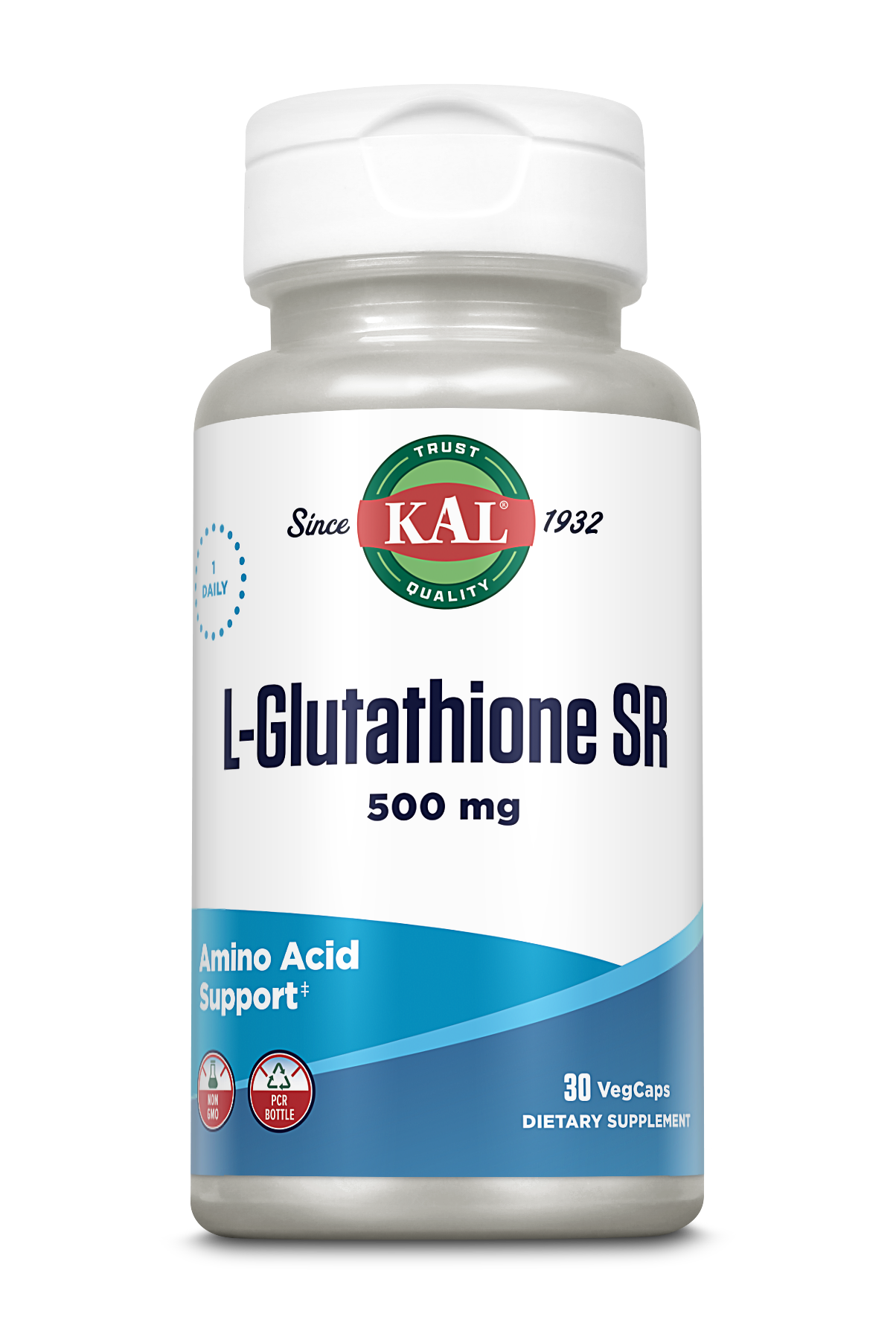
Glutathione (GSH) is a small molecule antioxidant made in your body. In supplement form, it’s commonly sold as L-glutathione, sometimes as liposomal glutathione (often described as better absorbed), and sometimes alongside supporting ingredients like vitamin C. When you ask “can people with Hashimoto’s take glutathione,” you’re really asking whether adding an antioxidant supplement is likely to be safe and whether it might support aspects of oxidative stress and general wellness.
Who might fit best? Based on consumer patterns I’ve seen and discussed with other women around ages 45–54:
- You already have stable thyroid medication routines (same time of day, consistent with food/supplement separation) and you’re not changing multiple variables at once.
- You’re not using glutathione as a replacement for thyroid care—rather, you’re considering it as a supportive add-on.
- You’re comfortable tracking how you feel for a short period and stopping if you notice side effects.
- You have no history of reacting to similar supplements (for example, sulfur-like compounds, yeast-derived ingredients, or certain excipients in capsules).
Practical Benefits and Where It Falls Short
Let’s keep expectations realistic. For Hashimoto’s, the “benefit” most people hope for is indirect: less oxidative stress, more consistent energy, and sometimes improved “wellness markers” that they care about (skin comfort, sleep quality, or exercise recovery). But antioxidants aren’t a guaranteed lever for autoimmune symptoms, and glutathione isn’t proven as a Hashimoto’s treatment.
Positive case (my experience):
I tried a daily glutathione supplement as a personal experiment after months of fatigue that seemed worse during periods of higher stress. I chose a product marketed as liposomal and followed the label for about 14 days. The first week was mixed—no dramatic “turnaround.” By day 10–14, I noticed I was a little less “washed out” in the afternoon, and my morning felt slightly more consistent. No thyroid labs were changed during that time, and I didn’t claim it improved Hashimoto’s; I treated it as general antioxidant support. I also made sure I took my thyroid medication at the usual time and kept supplements separate to avoid absorption issues.
Negative case (a failure I’d want you to avoid):
A friend of mine tried glutathione from a different brand and dose. She took it close to her thyroid med and didn’t change anything else for several weeks. Within days, she reported a “not feeling right” pattern—stomach upset and a mild headache that came after taking the capsule. She stopped, and the symptoms settled. Later, she tried again with better timing and a lower dose; the stomach discomfort eased, but she still didn’t feel any meaningful benefit. In her case, timing and tolerance were the main lesson—not efficacy.
What Research Suggests and What It Doesn’t
The most important answer to “can people with Hashimoto’s take glutathione” isn’t a yes/no promise—it’s what the research can and can’t support.
What research often suggests in general antioxidant terms:
- Glutathione plays a role in antioxidant defense and cellular redox balance.
- There are studies in other contexts (not specifically Hashimoto’s) where glutathione or glutathione-related pathways appear relevant to oxidative stress.
- Some people report subjective improvements in energy or “wellness,” but these are not proof of Hashimoto’s improvement.
What research does not clearly establish:
- Large, high-quality clinical trials demonstrating that glutathione improves Hashimoto’s outcomes (like thyroid antibodies, thyroid hormone stability, or symptom remission).
- Reliable dose-response timelines that say “you’ll feel X by week Y” specifically for Hashimoto’s.
- Safety certainty for every dose and every formulation across all individuals—especially those with multiple autoimmune conditions, kidney/liver issues, or complex medication regimens.
Risk perspective: Most supplements are generally well-tolerated by many people, but side effects can happen. In addition to typical supplement-related issues (GI upset, headaches, sleep disruption for a minority), some formulations may irritate sensitive stomachs. If you have a history of adverse reactions to antioxidants or sulfur-containing compounds, take it seriously and start low—or skip.
Ingredients, Formats, and Quality Signals
When choosing glutathione, you’ll see a few common patterns. The “best” option depends on your tolerance, your goal (general support vs. something else), and the quality signals you trust.
Common product forms you’ll see:
- L-glutathione (standard) — usually tablets or capsules. Many consumers start here for simplicity.
- Liposomal glutathione — often positioned as improved delivery/absorption. Capsules or softgels are common.
- Glutathione blends — may include vitamin C and/or other antioxidants.
- Effervescent or drink mixes — sometimes flavored; these can include sugar or acids that may affect sensitive stomachs.
Quality standards to look for (signals, not marketing):
- Clear labeling of the active ingredient amount per serving (for example, “X mg glutathione”).
- Third-party testing or verification (the “why” matters: independent checks for identity and contaminants).
- Straightforward ingredient lists with minimal fillers if you’re sensitive.
- Manufacturer transparency: batch numbers, lot testing, and customer support that answers formulation questions.
Consumer-style timing note: If you take thyroid medication (commonly levothyroxine), follow your clinician’s instructions about separating supplements that might interfere with absorption. Many people build a routine by taking thyroid medication alone first thing in the morning, then waiting before taking glutathione and other supplements—especially those that include minerals or fiber.
Comparison of Common Options
Below is a practical comparison of options people typically consider when asking can people with Hashimoto’s take glutathione. Use this to narrow choices, not to assume one form is “always better.”
| Format | Typical Dose/Use | Pros | Cons | Cost | Best For |
|---|---|---|---|---|---|
| L-glutathione capsule/tablet | Often 250–500 mg daily to start | Simple label, easy dosing routine | Some people report GI sensitivity; absorption varies | Low to mid | First-time users who want straightforward support |
| Liposomal glutathione | Often 250–500 mg daily (label-dependent) | Often better tolerated; marketed for delivery | More expensive; still not guaranteed to “work” for Hashimoto’s symptoms | Mid to high | People who tried standard forms and want a gentler trial |
| Glutathione + vitamin C blend | 1 serving daily; vitamin C varies widely | Adds a second antioxidant support angle | Harder to isolate what helped (glutathione vs. vitamin C); can cause stomach upset for some | Low to mid | You already tolerate vitamin C well and want a combined approach |
| Effervescent/drink glutathione | 1 drink daily; may include acids/sweeteners | Easy to take for people who dislike pills | May irritate reflux-prone stomachs; sugar/acid content varies | Mid | Those who need a non-capsule format and tolerate acids |
| “Skin-focused” glutathione products | 1–2 capsules daily; formula varies | Sometimes paired with collagen/other ingredients | Not specific to autoimmune support; mixed ingredient stack can complicate sensitivity | Mid to high | If your goal is broader antioxidant/skin comfort support (not Hashimoto’s lab changes) |
Buying Framework and Red Flags
If you’re wondering “can people with Hashimoto’s take glutathione,” your next practical step is choosing a product that’s safe for you personally. Here’s a consumer checklist I use for supplements in general, especially when you’re managing a condition.
- Check the ingredient list: avoid proprietary blends that don’t tell you the glutathione amount.
- Look for dosing clarity: confirm how many mg per serving, and how many servings per day.
- Third-party testing: prefer products that show quality testing or at least credible verification.
- Mind your thyroid routine: plan timing so glutathione doesn’t crowd out your thyroid medication schedule.
- Start low: if you’re sensitive, begin at half the label dose for a few days.
- Watch for side effects: GI upset, headaches, unusual sleep changes, or rash-like reactions.
- Red flag: marketing that implies treating Hashimoto’s, reversing autoimmune disease, or “guaranteed results.”
- Red flag: no batch/lot info, vague sourcing, or inconsistent labeling.
- Red flag: combining glutathione with many stimulatory or hormone-active ingredients without clear transparency.

Common Mistakes and How to Avoid Them
- Trying too many changes at once: If you start glutathione and also change diet, thyroid meds timing, sleep, and exercise, you won’t know what helped or hurt.
- Taking it at the wrong time: Keep your thyroid medication timing consistent and separate from other supplements as your clinician recommends.
- Assuming “more is better”: Higher doses may increase the chance of GI discomfort or headaches without improving outcomes.
- Ignoring ingredient sensitivity: Liposomal products can still include excipients; blends can include vitamin C acids or other additives.
- Expecting Hashimoto’s antibody changes in 7–14 days: Most lab shifts, if they happen, are not immediate and should be discussed with your healthcare team.
- Stopping too late after side effects: If you feel unwell after dosing (especially consistently), stop and reassess rather than “pushing through.”
FAQ
1) Is it proven that people with Hashimoto’s can take glutathione for thyroid symptoms?
Not in a way that’s proven for Hashimoto’s specifically. Glutathione is well-studied as an antioxidant in general biology, but strong evidence showing it improves Hashimoto’s symptoms or thyroid outcomes is limited. Many consumer outcomes are subjective and vary person to person.
2) How long does it take for glutathione to help if I have Hashimoto’s?
If you’re going to notice any change in how you feel (like energy or comfort), many people report it within 1–2 weeks of consistent use. But that’s a general timeframe, not a guarantee—some notice nothing, and lab improvements (if any) would take longer and require clinician follow-up.
3) What side effects should women with Hashimoto’s watch for when taking glutathione?
Common supplement-related issues include stomach upset, nausea, headaches, or changes in sleep for a minority. If you get a rash, swelling, severe GI symptoms, or worsening of how you feel, stop and seek medical advice. Also be mindful of timing with thyroid meds to avoid absorption issues.
4) Can people with Hashimoto’s take glutathione and combine it with vitamin C, selenium, or zinc?
Sometimes, but it depends on what else you’re taking and how your body tolerates each ingredient. The safest approach is to avoid stacking many new supplements at once, confirm your thyroid medication separation schedule, and discuss with your clinician—especially if you take multiple minerals or have lab abnormalities.
5) What’s better for Hashimoto’s: oral glutathione versus injection—or an alternative?
Most people use oral glutathione. Injections are not a standard self-care option and should only be considered under medical supervision. As alternatives, some people focus on dietary antioxidants or discuss supervised plans with clinicians; however, “better” depends on your goal, tolerance, and the evidence level for your specific situation.
A Practical 2-Week Experiment Framework
If you want a reasonable way to test “can people with Hashimoto’s take glutathione” for you, run a short, controlled trial. This is not medical treatment—just a structured observation plan.
- Days 1–2 (baseline): Write down sleep quality, morning energy (0–10), afternoon crashes (yes/no), mood steadiness (0–10), and any side effects.
- Days 3–5 (start low): Take glutathione consistently at the chosen time. Use half the label dose if you’re sensitive.
- Days 6–10 (standard dose): Increase to label dose if you tolerated the first days.
- Days 11–14 (evaluation): Compare your “after” notes to baseline. Look for patterns, not one good day.
- Decision: If you feel worse after dosing, stop. If you feel the same, it doesn’t mean glutathione is “bad”—it may simply not match your goals or your body’s response.
One more consumer tip: don’t use this trial to measure thyroid changes. If you need lab adjustments, work with your clinician and use your usual monitoring schedule.
About the Author
Jordan Patel is a health-and-supplement reviewer who focuses on evidence-aware, consumer-first product testing for women 40+. The review experience includes running short, structured trials (typically 2–4 weeks) with careful timing and symptom tracking, documenting both improvements and “no effect” outcomes. Jordan has worked from a lifestyle-and-wellness perspective—paying close attention to dosing clarity, ingredient tolerance, and medication timing interactions—especially for people managing autoimmune and thyroid conditions.
Disclaimer: This article is for informational purposes and reflects a consumer review approach. It is not medical advice. If you have Hashimoto’s, take thyroid medication, are pregnant, have kidney/liver conditions, or have had adverse reactions to supplements, talk with a qualified clinician before starting glutathione.
Discussion