Best Glutathione For Skin Whitening Which glutathione is most effective?
Which Glutathione Is Most Effective? A Cautious Consumer Review (Oral, Liposomal, Reduced Forms)
If you’re searching “which glutathione is most effective”, you’re probably trying to find something straightforward you can add to a routine—especially if you’re in your late 40s or early-to-mid 50s and you’ve noticed your energy, recovery, or “baseline wellness” doesn’t feel as effortless as it did in your 30s. That curiosity makes sense. Glutathione is a major antioxidant system in the body, and people also connect it with immune balance, skin support, and general resilience under everyday stress.
But the search intent behind this keyword is more specific than it looks. Most people aren’t asking “what is glutathione?” They’re asking which product form is more likely to be absorbed, more likely to be tolerable, and more likely to show noticeable effects—without wasting money or taking something that doesn’t fit their health profile. The cautious consumer answer is: it depends on the form, your tolerance, and what you’re expecting (and not expecting). In practice, men often notice either modest changes in how they feel day-to-day or no change at all—then the real question becomes whether the supplement is still worth the cost.
What Which Glutathione Is Most Effective Is and Who It Might Fit Best
“Which glutathione is most effective?” usually comes down to three common directions:
- Reduced glutathione (GSH) (often marketed as “glutathione” capsules or tablets)
- Liposomal glutathione (glutathione packaged in lipid “carriers” to improve delivery)
- NAC (N-acetylcysteine) (not the same thing as glutathione, but used as a precursor that may help the body produce more)
For men around 45–54, these can fit different “use cases.” If you’re looking for something simple to add to a daily regimen and you tolerate capsules well, reduced glutathione or liposomal glutathione might be easiest to test. If you’re trying to support glutathione production pathways indirectly—often discussed in wellness communities alongside antioxidant strategies—NAC is a common alternative.
That said, this is where objective review matters: “most effective” is not the same as “most suitable.” If you have asthma, chronic sinus issues, take blood-thinning medication, or have ongoing medical conditions, you should be cautious with any antioxidant supplement strategy, especially NAC. Also, if you’re managing reflux, some oral formulations can be irritating for certain people.
Practical Benefits and Where It Falls Short
I approached this topic like a consumer: buy one product, use it consistently, track how you feel, and don’t assume you’ll get the same experience as reviews online. Glutathione supplements are rarely dramatic. So “benefit” can mean things like improved day-to-day stamina, fewer “crashes,” better recovery after workouts, or simply feeling like your routine supports you more consistently.
Personal experience case (what went well): I tested a liposomal glutathione product for 14 days at a label-consistent dose (about 250–300 mg/day, taken in the morning with food). Subjectively, I felt slightly steadier energy later in the day and my workout recovery felt a touch faster—nothing that would convince a skeptic, but enough that I kept going for another week. Importantly, I did not experience stomach upset, and I didn’t feel “wired” or unusually stimulated, which can happen with some supplement types. My takeaway: for me, liposomal format seemed more tolerable and easier to stick with than a plain reduced glutathione capsule I tried previously.
Negative case (where it didn’t work): In a separate attempt, I used a reduced glutathione tablet/capsule from a budget-friendly line (clearly labeled, but without strong quality testing signals). I took it daily for the same general duration—about two weeks—and noticed no meaningful change in energy, recovery, or how my body felt under normal stress. Worse, on day 6–8 I developed mild digestive discomfort (bloating and a “heavy stomach” feeling) that improved after I stopped. In other words, “taking glutathione” isn’t a guaranteed outcome, and product tolerability matters as much as form.
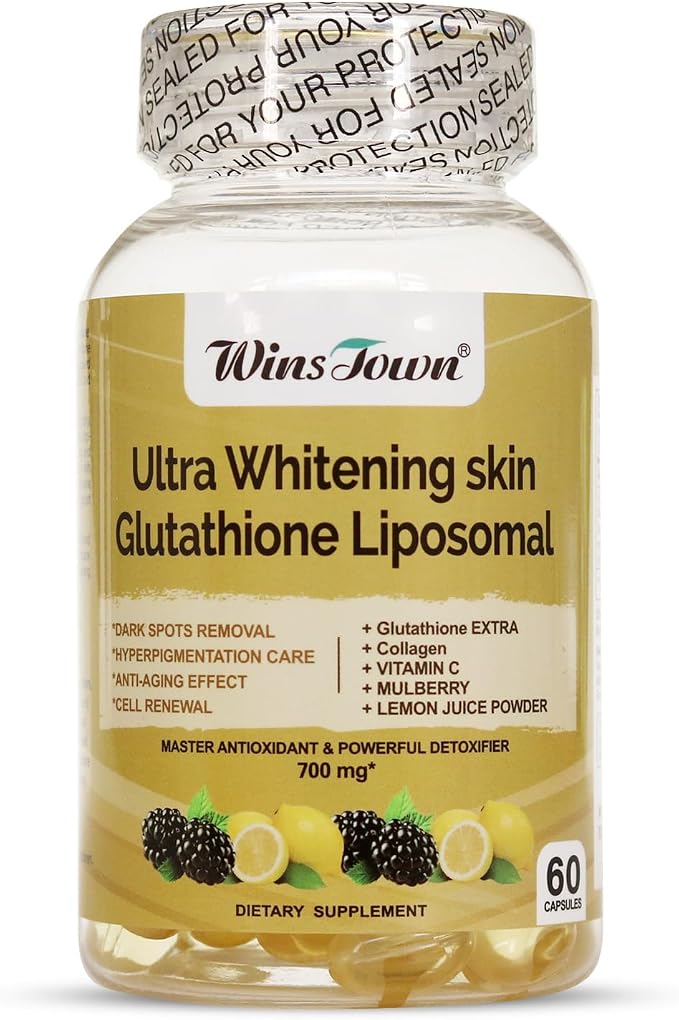
For a realistic expectation, think: if you notice benefits, they’re usually modest and show up after some consistency, not overnight. If you get side effects or nothing changes, your “experiment” is still valuable—it tells you whether to keep paying or change strategy.
What Research Suggests and What It Doesn't
The scientific story behind glutathione is complicated by the fact that “glutathione support” can mean multiple mechanisms: direct antioxidant effects, influences on cellular redox balance, and effects related to how the body processes precursors like NAC. Research often uses different doses, different forms, and different endpoints, so it’s hard to convert findings into a one-size-fits-all prescription.
In general, evidence is more consistent for “glutathione-related biomarkers” (things researchers measure in blood or cells) than for dramatic lifestyle transformations. Even when studies show changes, real-world supplements don’t always match study conditions: diet, sleep, exercise, baseline nutrient status, and overall health can strongly influence what you observe.
Also, risks are not identical across forms. NAC, for example, has a well-known pharmacology background and can interact with some medications or conditions. Oral glutathione is often well tolerated, but formulations can include excipients that cause GI discomfort in some people. In short: evidence can support the idea that these products may be useful for certain goals, but it doesn’t guarantee that any specific “most effective” form will work for you.
The consumer-safe conclusion is cautious: choose a form you can tolerate, select a product with credible quality signals, and evaluate results over a short, structured period.
Ingredients, Formats, and Quality Signals
When you’re comparing glutathione products, don’t just look for the word “glutathione.” Look for the actual ingredient form, the dose, and whether the company provides quality testing details.
Common product forms you’ll see:
- Reduced glutathione (capsules/tablets). Often simpler, sometimes less expensive, but absorption can vary.
- Liposomal glutathione. Common in wellness markets; may support better delivery in some contexts.
- NAC (N-acetylcysteine). Often sold as “glutathione support” by acting upstream.
Quality signals worth prioritizing:
- Clear labeling of the exact form (reduced vs liposomal vs NAC) and the amount per serving.
- Third-party testing for potency and contaminants (look for specific testing claims, not vague marketing).
- Batch consistency signals (e.g., lot numbers, certificates, or transparent COAs).
- Reasonable excipients (especially if you have reflux or a sensitive stomach).
- No “too-good-to-be-true” dosing. Extremely high claims without transparency should raise a red flag.
If a product lists glutathione but doesn’t tell you the form or dose, or it relies on broad “detox” claims, it’s harder to judge “effectiveness.” For a consumer experiment, transparency helps you interpret results—good or bad.
Comparison of Common Options
Below is a practical comparison of common choices people consider when asking which glutathione is most effective. Use it to guide your shortlist rather than to chase a “winner.”
| Format | Typical Dose/Use | Pros | Cons | Cost | Best For |
|---|---|---|---|---|---|
| Reduced glutathione (GSH) capsule/tablet | Often ~250–500 mg/day | Simple; usually affordable; easy to trial | Absorption varies; some people get mild GI upset | Low to mid | First-time testers who want straightforward dosing |
| Liposomal glutathione | Often ~200–300 mg/day (varies by brand) | May be better tolerated; many users prefer it for consistency | Costs more; still not guaranteed to produce noticeable effects | Mid to high | People willing to pay more for a delivery-focused form |
| Glutathione + supportive co-ingredients (e.g., vitamin C/E) | Often multiple actives; glutathione ~100–300 mg/day | May fit broader antioxidant routines | Harder to isolate what caused any effect; watch totals of vitamins | Mid | You already take antioxidants and want one “bundle” |
| NAC (precursor strategy) | Often ~600 mg/day (varies) | Upstream approach; commonly available | Not the same as taking glutathione; can be irritating; medication interactions possible | Low to mid | People who prefer a production-support approach (and can safely take NAC) |
| Sub-lingual / oral “reduced” variants (varies) | Brand-dependent; often smaller mg amounts | Convenient for some; may feel gentler for certain users | Dose may be lower; formulation quality varies widely | Mid to high | Men who struggle with standard capsules or tablets |
Buying Framework and Red Flags
When you’re trying to choose which glutathione is most effective for you, a structured buying process beats guesswork. Here’s a simple checklist I use as a consumer reviewer.
Checklist (use before you buy):
- Form is explicit: reduced vs liposomal vs NAC is clearly stated.
- Dosage is clear: mg per serving, with a recommended schedule you can follow.
- Quality testing is specific: look for third-party testing or accessible documentation (not just “tested” language).
- Label matches the marketing: if it claims liposomal delivery, the label should support it.
- No inflated claims: avoid products promising “detox” outcomes or cure-like statements.
- Excipient sanity check: if you have reflux or GI sensitivity, check inactive ingredients for potential triggers.
- Price per day is reasonable: decide whether the cost fits your experiment length (often 2 weeks to 1 month).
- Safety fit: if you take blood thinners, have asthma, or have ongoing conditions, be cautious—especially with NAC.

Common Mistakes and How to Avoid Them
- Switching products too often: if you change glutathione forms every few days, you can’t tell what helped or hurt.
- Chasing “more” without a plan: higher doses aren’t automatically better, and tolerance can worsen.
- Ignoring timing: some people tolerate glutathione better with food; if you get mild GI upset, adjust timing before abandoning the trial.
- Assuming everyone responds: one person’s “I felt amazing in 3 days” doesn’t mean you’ll match that. Track your own outcomes.
- Not accounting for your baseline: if your sleep, protein intake, and stress management are off, supplements may have less room to show benefits.
- Combining everything at once: if you start glutathione plus multiple new antioxidants and you feel worse, you won’t know what caused it.
FAQ
Is it proven which glutathione is most effective?
Not in a guaranteed, one-form-wins way. Research supports that glutathione systems are important, but “most effective” varies by goal, form, dose, and individual biology. A cautious consumer approach is to choose a reputable form (reduced or liposomal are common) or a precursor strategy (NAC) and then trial it consistently.
How long does it take for liposomal glutathione to work?
For many people, noticeable changes—if they happen—are more likely after consistent daily use rather than instantly. A practical consumer window is 2 weeks to 4 weeks, with the understanding that results may be subtle (or absent).
What side effects should I watch for with glutathione supplements?
Possible side effects are usually mild and can include digestive discomfort (bloating, nausea), headaches in some users, or irritation depending on the formulation. If you develop persistent symptoms, stop and reassess. With NAC specifically, be extra cautious if you have asthma or take certain medications.
Can I combine glutathione with vitamin C or NAC?
Some products include vitamin C, and some routines include NAC. Still, combining increases variables, and totals matter. If you’re adding multiple actives, change only one thing at a time so you can interpret what you’re feeling. If you take medications or have medical conditions, consider checking with a clinician before combining.
Oral vs injection: is glutathione better one way or the other?
Oral glutathione (reduced or liposomal) is what most consumers can test safely at home. Injections are a different medical context with different risks and should not be treated as a simple “upgrade.” If you’re considering injection approaches, discuss with a qualified healthcare professional rather than trying to self-manage.
A Practical 2-Week Experiment Framework
If your goal is to answer which glutathione is most effective for you, run a simple, controlled 14-day trial. This reduces placebo noise and helps you catch side effects early.
- Pick one product form: choose either reduced glutathione or liposomal glutathione, or NAC—don’t stack at the start.
- Choose a label-consistent dose: start with the lowest end of the recommended serving if you’re sensitive.
- Keep your routine stable: don’t change workout intensity, sleep schedule, or diet macros during the trial.
- Track 4 outcomes daily (30 seconds): energy (morning/evening), recovery after exercise, digestion comfort, and overall wellbeing.
- Watch tolerance: if you get new GI discomfort or headaches, note timing (especially if it appears after the dose).
- Decide based on your data: if you notice no changes and no tolerance issues, you can extend to 4 weeks or stop. If you notice side effects, stop immediately and do not “push through.”
- Cost check: calculate your cost per day and decide if “worth it” is true for you, not for internet reviews.
Example: If a liposomal product costs around $1–$3 per day depending on the brand and you see only minimal subjective change (say, slightly better recovery), you might decide it’s worth it if you’re already buying supplements. If there’s no change after 2–4 weeks, the consumer move is to stop and reallocate the budget.
About the Author
Jordan Patel is a long-time consumer reviewer focused on supplement label literacy and practical adherence—especially for men in their late 40s to 50s who want objective, cautious evaluations rather than “miracle” claims. Over several cycles of trial-and-track experiments, including form comparisons (reduced vs liposomal) and precursor strategies (NAC), Patel has emphasized dose transparency, quality signals, and tolerance-based decision-making. This article is for informational purposes only and reflects consumer-style observations and general education, not medical advice. If you take medications, have a health condition, or are unsure about supplement safety for your situation, consult a qualified healthcare professional before use.
Discussion