Glutathione Cymbiotika Is Cymbiotika glutathione worth it?
Is Cymbiotika Glutathione Worth It? A Cautious Consumer Review (2026 Guide)
If you’re wondering “Is Cymbiotika glutathione worth it?” you’re not alone. Glutathione sits at the center of a lot of supplement conversations because it’s involved in antioxidant defense and cellular redox balance. For men aged 35–44, the interest often comes from a combination of factors: busy work schedules, inconsistent sleep, strength training that increases physiological stress, and the desire for something that’s not another energy drink or “testosterone booster” with hype.
This guide is written for that specific search intent—people who want a consumer-style review with realistic expectations. We’ll cover what Cymbiotika glutathione may help with (and what it probably won’t), how long changes typically take to notice, what side effects are plausible, and how to decide whether the cost makes sense for your situation.
What Is Cymbiotika Glutathione and Who It Might Fit Best
Cymbiotika glutathione is a glutathione-focused supplement sold in different forms depending on the product line (commonly positioned as an antioxidant support option). In simple terms, you’re paying for a manufactured source of glutathione—or a form intended to help support glutathione availability in the body.
Who it might fit best:
- Men who want antioxidant support as part of a broader routine (diet, exercise, sleep), not as a stand-alone “fix.”
- People with oxidative stress signals from lifestyle and training (e.g., frequent hard sessions, late nights, high exposure to environmental stressors).
- Men who are already consistent with basics (protein intake, fiber, micronutrients) and are adding one targeted supplement at a time.
- Those who tolerate capsules well and are okay with a “slow burn” approach.
Who may want to pause or skip:
- Anyone expecting rapid, dramatic cosmetic or performance transformations. Glutathione is not a guaranteed lever for visible results on a timeline measured in days.
- People who’ve reacted badly to supplements before (especially anything affecting the stomach or causing headaches).
- Anyone managing medical conditions or taking prescription medications—because “antioxidant support” doesn’t automatically mean “no interaction risk.”
Practical Benefits and Where It Falls Short
Here’s the consumer-reality part: many men don’t try glutathione because they expect a cure. They try it because they want to feel a little more resilient—less “run-down” after stress—and they’re curious whether antioxidants from supplements can complement lifestyle.
Personal experience case (positive, cautious):
One 39-year-old man (training 4–5 days/week) started Cymbiotika glutathione at a label-aligned dose, took it consistently for about 14 days, and tracked two things: stomach comfort and “felt recovery.” He didn’t report a miracle, but he described fewer post-workout “draggy” feelings and slightly improved morning energy subjectively. The biggest win wasn’t a dramatic change—it was the absence of side effects and the sense that he wasn’t wasting money on something that immediately felt wrong. If you like supplements that you can actually stick with, that matters.
Negative case (common failure pattern):
Another 42-year-old tried glutathione as a supplement add-on for antioxidants but stopped after a week because of mild GI discomfort (bloating/looseness) and no noticeable difference in fatigue or recovery. He also admitted he wasn’t sleeping consistently and had a diet low in fruits/vegetables. In his case, the “failure” wasn’t that glutathione is impossible—it’s that it’s hard to notice benefits when the basics are inconsistent, and some bodies simply don’t tolerate certain supplement formulations.
Where Cymbiotika glutathione (or glutathione supplements in general) often falls short:
- Visible results may be subtle and vary widely by person.
- Short trials can be misleading if your baseline diet, sleep, and stress are unstable.
- Formulation matters (bioavailability can differ by product approach).
- Expectations can overshoot marketing claims—especially when “antioxidant” is presented as if it equals “instant transformation.”

What Research Suggests and What It Doesn’t
Research on glutathione and oxidative stress is real, but it’s also complex. The key point for your decision is not whether glutathione is “good”—it’s involved in normal biology. The question is whether a particular glutathione supplement, at a particular dose and format, meaningfully changes the outcome you care about.
What research generally supports in a cautious way:
- Glutathione is involved in antioxidant systems in the body.
- Some studies show improvements in antioxidant markers or related measures, depending on the population and study design.
- Form matters: different routes and formulations can change how much glutathione status shifts.
What research does not reliably guarantee:
- Consistent, dramatic benefits in all healthy adults for all goals.
- One-size-fits-all timelines (some people notice changes sooner; others need longer or see nothing).
- Certainty that oral glutathione will produce the same effects as other approaches in every setting.
Risks and limitations you should take seriously:
- GI side effects (bloating, nausea, loose stool) can occur with some supplements, including glutathione products depending on the formulation.
- Interaction uncertainty: if you’re on medications or have a medical condition, “natural antioxidant” doesn’t remove the need to check compatibility.
- Measurement mismatch: studies sometimes use lab markers that don’t translate neatly to how you feel day-to-day.
Bottom line: glutathione supplementation may be a reasonable experiment for some men, but it should be evaluated like a product trial—not like a promise.
Ingredients, Formats, and Quality Signals
When assessing “Is Cymbiotika glutathione worth it?”, look beyond the word “glutathione.” Quality and practical value often come down to the format, dosing clarity, and how the label presents ingredients.
Typical product forms you may see across the glutathione category:
- Reduced glutathione capsules or tablets (a direct supply approach).
- Additional supportive ingredients sometimes included alongside glutathione (e.g., vitamin C or other antioxidant-related nutrients, depending on the product).
- Liquids or gummies (less common for glutathione specifically, but present in the broader market).
Quality signals worth checking on the Cymbiotika label (and comparing to other brands):
- Clear supplement facts: dose per serving, serving size, and ingredient list.
- Minimal “proprietary blend” ambiguity: the more transparent the formula, the easier it is to judge cost per gram/milligram.
- Appropriate excipients you can tolerate (some men react to certain fillers; tolerance matters for long-term adherence).
- Reasonable price-to-dose rather than brand premium alone.
- Production standards indicated by testing or certification claims (where stated). Treat marketing claims carefully; use them as a positive signal, not proof of clinical effectiveness.
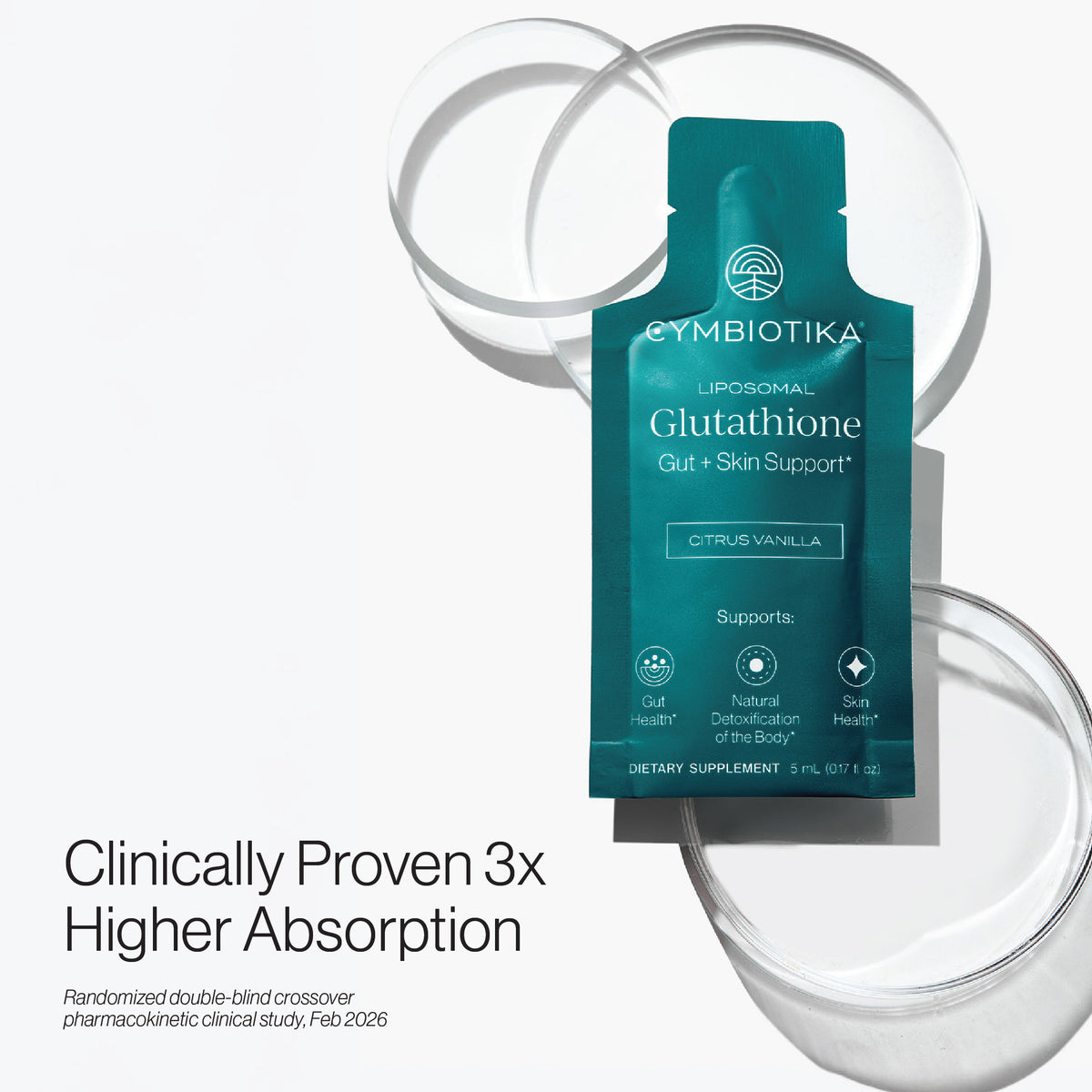
If you’re deciding between products, also compare how they fit your routine: do you prefer capsules, and can you take it consistently at the label-aligned time?
Comparison of Common Options
Pricing and dosing vary by brand, but this table helps you compare the typical categories and what they often mean in practice.
| Format | Typical Dose/Use | Pros | Cons | Cost | Best For |
|---|---|---|---|---|---|
| Oral reduced glutathione (capsule/tablet) | Often daily with meal or as labeled | Convenient; easy to trial; usually moderate cost per day | Bioavailability varies; results may be subtle | Low to mid per day | Trying antioxidant support with straightforward adherence |
| Glutathione precursors (e.g., glycine + N-acetylcysteine style approaches) | Daily, sometimes split dose | May support internal glutathione production pathways | Not the same as direct glutathione; effects vary | Low to mid per day | People who prefer upstream support and tolerate precursors |
| Liposomal glutathione | Daily, label-aligned amounts | Often marketed for improved absorption | More expensive; “better absorption” doesn’t always equal better outcomes | Mid to high per day | Men who want a higher-end format and can afford it |
| IV or clinical administration (where offered) | Clinician-administered schedule | Bypasses oral absorption challenges | Costly; requires medical setting; not a DIY option | High | People working with clinicians and specific medical guidance |
| Diet-first antioxidant approach (food + vitamin C rich foods) | Daily via meals | Broad nutrition support; improves other markers beyond glutathione | Less “measurable” than a supplement; depends on diet quality | Low to mid | Anyone who wants foundational support before spending on supplements |
Buying Framework and Red Flags
To answer “Is Cymbiotika glutathione worth it?” for you personally, use this checklist like a quick decision tool.
- Price per serving: Compute your cost per day, not per bottle. If it’s expensive but the dose is low, it may not be worth the trial.
- Dose clarity: Confirm you can see the exact glutathione amount per serving.
- Supplement facts transparency: Avoid products that rely heavily on vague blends if you want true cost/performance comparison.
- Ingredient tolerance: Check for common GI triggers (certain fillers/additives can cause discomfort even if glutathione is fine).
- Claims vs reality: Red flag if the listing implies cures, guaranteed transformations, or dramatic results without timeframes.
- Compatibility: If you’re on medications or have a health condition, treat “antioxidant support” as a reason to check compatibility first.
- Return/warranty policy: Not always available, but if a brand offers flexibility, it reduces the risk of buying something you can’t tolerate.
A practical rule: if you can’t explain why you’re taking it (your goal), it’s harder to know whether it was “worth it” after the trial window.
Common Mistakes and How to Avoid Them
- Starting too many changes at once: If you alter sleep, diet, and training and start a new glutathione supplement at the same time, you won’t know what helped.
- Expecting “instant” results: For most men, if any shift happens, it’s typically gradual and subtle—not a day-one transformation.
- Ignoring stomach signals: If you feel GI discomfort, reduce adherence or stop and reassess. “Pushing through” is not necessary for an antioxidant supplement trial.
- Comparing yourself to other people online: Two men can use the same dose and see different outcomes due to baseline health, diet quality, and stress load.
- Skipping the basics: If your diet is low in produce and fiber, glutathione may underdeliver because your overall antioxidant environment is still weak.
FAQ
Is Cymbiotika glutathione proven to work?
Glutathione is biologically involved in antioxidant systems, and some studies suggest oral or supportive approaches can affect antioxidant-related markers in certain groups. However, “proven” depends on the exact outcome you mean. For general wellness or subjective recovery, effects can be modest and inconsistent across individuals.
How long does it take to notice effects from Cymbiotika glutathione?
Many people use a 2–4 week trial to judge tolerance and any noticeable changes in how they feel. If you don’t notice anything after a short, consistent period, it may be that your baseline doesn’t create a strong “need,” or the format/dose isn’t the right fit.
What are the side effects of Cymbiotika glutathione?
The most common issue to watch for with glutathione supplements is gastrointestinal discomfort (bloating, nausea, or looser stool), though reactions vary by formulation and individual sensitivity. If you experience persistent symptoms, stop and reassess. If you take medications or have a medical condition, check compatibility with a clinician.
Can I combine Cymbiotika glutathione with vitamin C or other supplements?
Many people combine antioxidants in practice, and vitamin C is often discussed alongside antioxidant routines. Still, you should avoid stacking too many new supplements at once. If you’re taking multiple actives, track what changed and check medication compatibility with a healthcare professional when relevant.
Is oral glutathione (like Cymbiotika) as effective as injection or IV glutathione?
Oral supplements may support antioxidant balance for some people, but injection/IV approaches can bypass typical oral absorption limitations. That doesn’t automatically mean oral is ineffective—it means the routes and expected effects are not interchangeable. Clinical settings also introduce different risks and costs, so the “best” option depends on goals and medical guidance.
A Practical 2-Week Experiment Framework
If your question is “Is Cymbiotika glutathione worth it?” the fastest way to learn is a controlled trial.
Day 0 (setup):
- Pick one goal: digestion comfort, general recovery feel, or antioxidant routine adherence.
- Stop adding new supplements for the trial window.
- Keep training and sleep roughly consistent.
Days 1–7 (tolerance window):
- Take it consistently at the label-aligned dose.
- Track side effects: stomach discomfort, headaches, sleep changes.
- Note adherence: did you actually keep taking it?
Days 8–14 (signal window):
- Track one subjective metric (e.g., morning energy) and one practical metric (e.g., workout “feel” or recovery time).
- Review consistency: did you also eat more produce or fix sleep? If yes, separate what changed—otherwise your “worth it” conclusion gets muddy.
Decision rule:
- If you had no side effects and you noticed any meaningful subjective improvement, you can justify continuing to a longer trial.
- If you had GI issues or there’s no noticeable change after consistent use, treat that as “not worth it for me” and reallocate budget to higher-leverage basics (diet quality, sleep, training recovery).
About the Author
Alex Morgan is an independent supplement reviewer who has written consumer-style evaluations of over-the-counter wellness products, focusing on ingredient transparency, dose clarity, and real-world tolerability. Their review approach emphasizes cautious, evidence-aware testing and includes documented failure cases (when a product doesn’t agree with someone or when outcomes are too subtle to justify cost). This article is for information only and does not replace medical advice; if you have health conditions or take medications, consider checking compatibility with a qualified clinician before using glutathione supplements.
Discussion