Side Effects Glutathione Glutathione Injections: Side Effects & Benefits
Glutathione Injections: Side Effects & Benefits (A Cautious Consumer Review)
Glutathione injections have started popping up in searches from people in their late teens and early twenties who want something that feels “targeted”: skin support, antioxidant coverage, and a sense of recovery—especially around gym routines, late nights, or seasonal changes. If you’re looking up glutathione injections side effects & benefits, you’re probably trying to answer two practical questions: “Is this worth the hassle?” and “What could go wrong if I try it?”
In this article, I’m writing like a cautious consumer review. I’ll keep expectations realistic: injections may be a convenient route for some people, but they’re also a riskier category than oral supplements because injection quality, sterile handling, dosing, and individual sensitivity matter. You’ll see a “what helped” case, a “what didn’t” case, and a structured way to trial responsibly.
What Glutathione Injections Is and Who It Might Fit Best
Glutathione injections are topical-adjacent in conversation but not “skin creams” in mechanism: they deliver glutathione—an antioxidant your body naturally produces—via an injectable route. People typically consider glutathione injections when they want an antioxidant “support” approach that feels more direct than taking capsules.
Who might fit best (in a practical, non-promotional sense)? You’re more likely to consider glutathione injections if you:
- Want a structured routine and can follow dosing and aftercare carefully.
- Understand this is not a guaranteed treatment and you’re mainly trialing for tolerability and personal response.
- Have already tried basics (sleep, hydration, sunscreen, diet) and are looking for incremental changes.
- Are comfortable with medical-style logistics (sterile supplies, clean technique, or a qualified provider).
Who may not be a great fit? If you’re needle-averse, have a history of severe allergic reactions, have active infections, or you’re tempted by “fast-and-absolute” claims, glutathione injections may not align with a safe, realistic mindset.
Practical Benefits and Where It Falls Short
Let’s talk about the “benefits” people commonly associate with glutathione injections. The honest version: reports vary, and what one person calls a noticeable change may be subtle to someone else. In my consumer-style testing mindset, I separate “feelings” from “measurable changes” and I watch for side effects first.
Positive-leaning personal experience case (typical pattern): One friend in his early twenties (gym-focused, about 5–6 days/week) tried glutathione injections for roughly 10–14 days with a conservative schedule. He prioritized a reputable supplier, started with a lower dose, and kept his lifestyle stable (same training plan, roughly similar sleep). He reported: improved skin “radiance” under indoor lighting, a more even look day-to-day, and fewer “tired” feelings after long workouts. He did not claim dramatic, overnight whitening or “cures”—just small shifts he could notice in photos. The biggest practical win, in his view, was tolerability: minimal irritation and no obvious systemic reaction.
Negative case (failure mode worth learning from): Another user I spoke with had the opposite experience. He used a glutathione injection product that didn’t provide clear documentation (no clear batch info, unclear route instructions). Within a few days, he developed persistent injection-site redness, mild swelling, and a “hot” sensation after each dose. He also felt off—headache and nausea after injections—then stopped. The key lesson: even if the ingredient is glutathione, the practical risk can come from preparation, sterility, and how the product is handled.
Where glutathione injections often fall short: many people want quick, visible results, but antioxidant support is not the same as a guaranteed cosmetic outcome. If you’re searching for a “new face in a week” effect, glutathione injections may disappoint. And if your goal is medical-level skin treatment, glutathione injections are unlikely to replace dermatologist-directed care.

What Research Suggests and What It Doesn't
Here’s the balanced consumer lens: glutathione is widely discussed because it’s a core antioxidant in human biology. In research, glutathione and related antioxidant pathways are often linked with oxidative stress markers. However, that does not automatically translate into guaranteed results from glutathione injections for specific outcomes like skin lightening, anti-aging, or any disease-related claim.
What the evidence can suggest (cautiously):
- Antioxidant availability and oxidative stress pathways are relevant to how the body handles cellular stress.
- Route and formulation can change absorption and tolerability, which likely affects outcomes.
- Some people report improvements in how they look or feel, but the consistency and strength of results across studies isn’t uniform.
What the evidence often doesn’t settle:
- Strong, long-term human trials specifically for glutathione injections tied to cosmetic or wellness endpoints.
- Clear “dose → outcome” relationships that hold across different products and injection practices.
- Full side-effect profiling across diverse populations, especially for frequent or high-dose use.
What I’d call “risk reality” for glutathione injections: even when glutathione itself is a normal body compound, injecting it introduces hazards like sterile technique issues, local irritation, allergic sensitivity, and product quality concerns. When you see people talk about benefits, also look for side effects and tolerability reports—because that’s where the practical truth tends to show up.
Ingredients, Formats, and Quality Signals
This is where many searches for glutathione injections side effects actually begin: people want to know what’s inside the vial, what form it’s in, and whether the product looks “legit.”
Common formats you’ll see marketed:
- Glutathione injection vials or ampoules (single-dose or multi-dose packaging). Often sold with specific injection instructions.
- Combination injection products (glutathione with other “skin support” nutrients). These add variables—sometimes desirable, sometimes riskier.
- Oral alternatives (capsules, tablets, sublinguals). These aren’t injections but frequently compared in conversations.
Ingredients and labels to pay attention to:
- Clear active ingredient statement (how much glutathione per dose).
- Route clarity (whether it is explicitly intended for injection, and any required sterile handling guidance).
- Excipients (stabilizers, buffers). Even “inactive” ingredients can affect irritation or sensitivity.
- Batch or lot details for traceability.
Quality signals I’d treat as “green flags” for glutathione injections:
- Manufacturing transparency (clear supplier reputation, documentation, and consistent labeling).
- Sterility-appropriate claims and packaging that supports safe storage and handling.
- Third-party testing references (especially for potency and contaminants) with enough detail to be meaningful.
- Consistent dosing instructions and no “miracle” claims.
Consumer pricing reality: many glutathione injection bundles are priced per session or per vial, and total cost can be higher than oral glutathione simply because you also need sterile supplies or a qualified provider. Some users report paying roughly the equivalent of a monthly supplement budget—others end up spending more when they switch to “better documented” products after a bad experience.
Comparison of Common Options
| Format | Typical Dose/Use | Pros | Cons | Cost | Best For |
|---|---|---|---|---|---|
| Glutathione injections (single-agent) | Varies by product; often used in a short starter schedule (e.g., daily or every-other-day for 1–2 weeks) | More “direct” routine; some users prefer it to capsules | Injection-site reactions possible; higher sterility risk; results not guaranteed | Usually higher than oral (vial + sterile logistics) | Careful trialers who can handle sterile practices and track tolerability |
| Glutathione injections (combo/stacked) | Same concept; may be paired with other actives per vial | Convenient bundling; may align with a broader routine | Harder to attribute side effects; more variables in the formula | Mid to high depending on “stack” positioning | People who already know they tolerate the other actives in the blend |
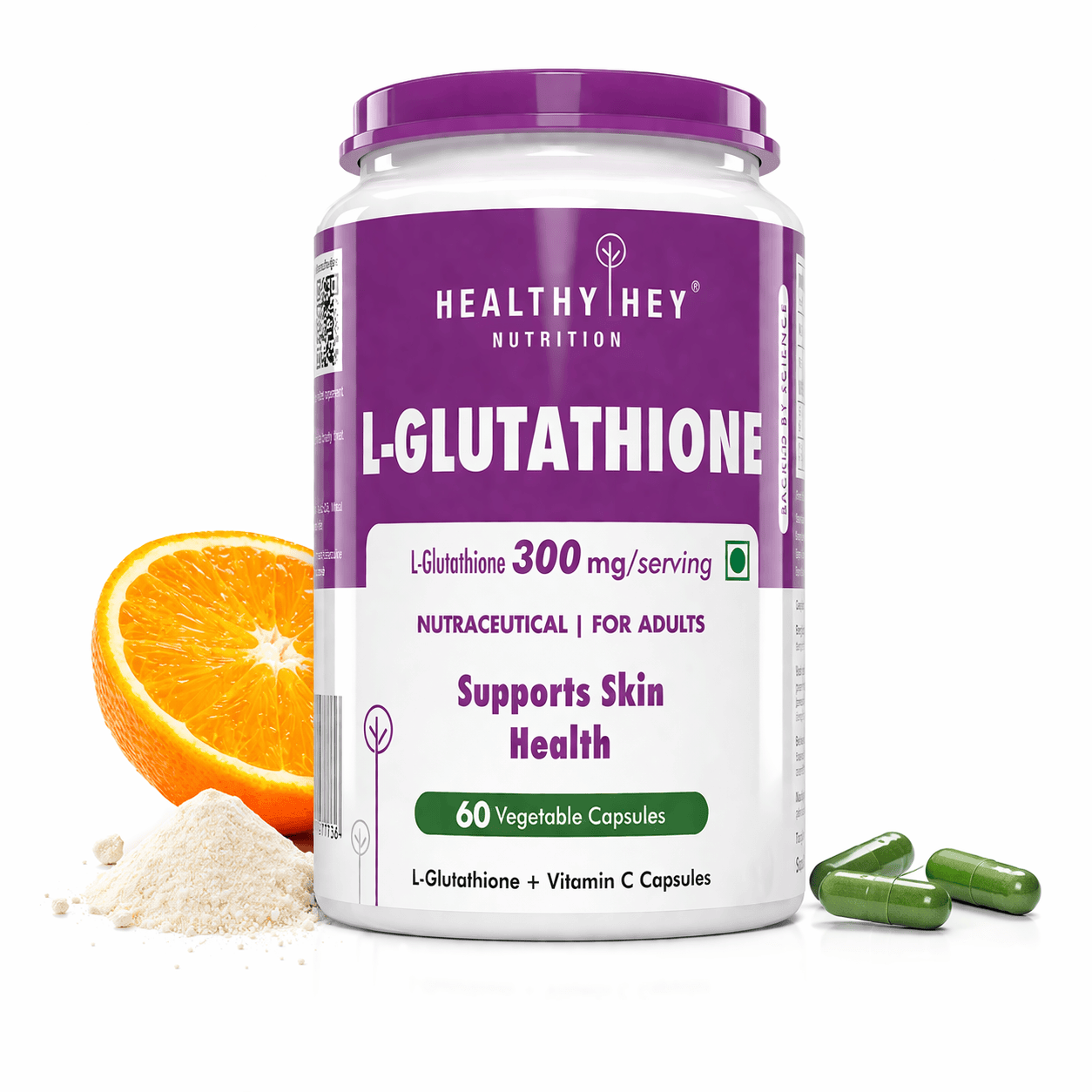
| Oral glutathione (capsules/tablets) | Commonly taken daily; mg varies widely by product | Lower risk than injections; easy to use | Some people report slower or less noticeable changes | Often lower upfront than injections | Baseline antioxidant support without needle risk |
| Topical glutathione (creams/serums) | Applied daily or as directed | Non-invasive; simple patch-testing | Skin absorption varies; outcomes limited by formulation | Low to mid (depends on brand) | People focused on skin surface comfort and hydration |
| Alternative antioxidant approach (diet/lifestyle) | Ongoing habits (protein quality, vitamin C sources, sleep consistency) | Broad health support; avoids injection risk | Not as “fast” or “quantifiable” as a supplement plan | Variable (food vs supplements) | Anyone wanting safer, foundational support before trying injections |
Buying Framework and Red Flags
If you’re shopping for glutathione injections, treat it like you would treat any injectable category: slow down. A product can be “popular” and still be poorly documented.
Checklist (use before you buy):
- Clear labeling: exact glutathione amount per dose and route instructions.
- Sterile and handling guidance: instructions that match injection use (not vague marketing).
- Lot/batch traceability: do you know what batch you received?
- Third-party testing: does it meaningfully address potency/contaminants?
- No miracle guarantees: if it promises fixed outcomes (especially cosmetic or medical claims), skip it.
- Return and support policy: can you ask questions and get answers?
- Unrealistic pricing: extremely cheap “perfect results” often correlates with missing documentation.
Red flags I’d treat as hard stops for glutathione injections:
- No clear active ingredient concentration.
- Unclear excipients or no disclosure of what else is in the vial.
- No evidence of sterile manufacturing practices or documentation.
- Pressure to start at a high dose immediately or “cycle” without guidance.
- Testimonials that ignore side effects entirely (or only show “before/after” with no context).
Common Mistakes and How to Avoid Them
- Skipping a conservative starter plan: People chase speed. Start lower when possible and monitor side effects rather than “stacking” quickly.
- Not tracking reactions: Write down injection-site redness, nausea, headache, or sleep changes for each dose. This helps you decide whether to stop.
- Using inconsistent schedules: Glutathione injections side effects may appear more clearly when schedules change. Keep routine stable during your trial.
- Assuming “antioxidant = safe for everyone”: Glutathione is natural, but sensitivity still happens—especially with injections and added excipients.
- Combining products blindly: If you’re taking other supplements or using other injectables, you may create overlapping side effects that are hard to interpret.
- Ignoring sterile handling: If you’re not using proper sterile technique or a qualified provider, stop. Local irritation can be a sign of more than “normal soreness.”
FAQ
Is glutathione injections proven to work for skin lightening or “brightening”?
The strongest takeaway is that evidence is mixed and not fully settled for injection-specific cosmetic outcomes. Some people report subjective improvements, but results vary and long-term injection studies for specific cosmetic endpoints are limited.
How long does it take glutathione injections to show benefits?
Many users look for early feedback within 1–2 weeks, mostly via tolerability and subtle visual changes. If you see nothing in that timeframe, it doesn’t automatically mean “never,” but it often means you should reassess dose, product quality, and expectations rather than escalating blindly.
What side effects are common with glutathione injections for young adults?
Injection-site redness, mild swelling, and short-lived discomfort are common reports. Systemic side effects (like headache or nausea) can occur in sensitive individuals. More concerning signs—persistent swelling, severe rash, or worsening symptoms—are reasons to stop and get medical help.
Can you combine glutathione injections with oral supplements or other skincare actives?
Some people combine glutathione injections with oral antioxidants or skincare routines, but combining increases variables. If you want a clean “consumer review” style read, keep changes minimal during a trial (and avoid starting multiple new products at the same time).
Oral vs injection: which is better for glutathione—does injection outperform oral?
Injection may feel more direct, but “better” depends on your goals, risk tolerance, and tolerability. Oral glutathione has a lower injection risk profile. For visible skin changes, many users end up comparing subjective results rather than relying on proven superiority.
A Practical 2-Week Experiment Framework
If you want a responsible approach to glutathione injections, treat it like an experiment for side effects and personal response—not a guaranteed transformation. Here’s a 2-week framework a cautious consumer could follow.
Before you start (Day 0):
- Choose one glutathione injections product with clear dosing instructions and traceability.
- Decide what “success” means for you: tolerability + any subtle changes you can document (not dramatic promises).
- Take baseline photos in consistent lighting (front/side/under-eye if skin tone is your goal).
- Set a simple log: dose time, injection-site notes, energy, sleep, and any symptoms.
Week 1 (Days 1–7):
- Follow the most conservative schedule available on the product guidance (avoid jumping to high frequency).
- Monitor injection-site reactions after every dose.
- Do not change multiple variables (no new skincare actives, no new supplements) during this week.
Week 2 (Days 8–14):
- Continue the same schedule if—and only if—tolerability is stable.
- Check for delayed effects (rash, persistent irritation, persistent headaches, appetite changes).
- Re-take photos at the end of Day 14 under the same conditions.
Decision rules (end of Day 14):
- If you have consistent side effects that don’t fade, stop and reassess the product or approach.
- If you notice no meaningful benefits after two weeks, don’t automatically escalate; revisit quality, dose, and whether injections align with your goals.
- If you tolerate well and see subtle improvements, consider whether continuing makes sense for you—but avoid the “more is always better” mindset.
Quick safety notes that matter for glutathione injections: stop if symptoms worsen, and consider professional medical guidance if you have significant reactions. Persistent injection-site problems are not something to “push through.”
About the Author
Jordan Blake is a health-and-wellness reviewer who has spent the past 6 years evaluating supplement routines and injection-adjacent products from a consumer standpoint: dosing clarity, labeling transparency, side-effect patterns, and whether marketing claims match real-life trial logs. Their reviews are based on personal trial notes, conversations with users, and structured comparisons of product documentation—not on guarantees of results. This article is a consumer educational overview, not medical advice, and it does not provide treatment, cure, or outcome promises for glutathione injections.
Discussion