Acetyl Glutathione What happens to your body when you start taking glutathione?
What Happens to Your Body When You Start Taking Glutathione: Effects, Risks, and What I Noticed
“What happens to your body when you start taking glutathione?” is getting attention because a lot of young men are trying to improve how they look and feel—without doing something extreme. Glutathione is a naturally occurring antioxidant your body makes, and the supplement industry has turned it into a popular “support” product. But when you actually start taking glutathione, the experience is not usually dramatic. It’s more like: you notice small changes (or you don’t), your routine matters, and product quality matters a lot.
If you’re searching for this topic, you likely want to know what to expect in the short term: any early body changes, whether it’s worth the cost, and what side effects could show up. You also want honest boundaries—no miracle claims, no overpromising. Let’s do that.
What What Happens to Your Body When You Start Taking Glutathione Is and Who It Might Fit Best
Glutathione is a tripeptide (made from amino acids) that plays roles in oxidative balance inside cells. When people take glutathione supplements, they’re usually aiming for “antioxidant support,” sometimes tied to skin comfort, exercise recovery, or general wellness routines. The phrase “what happens to your body when you start taking glutathione” often points to early, noticeable effects—like changes in energy, sleep quality, skin feel, digestion, or inflammation-related discomfort.
Who it might fit best (in a realistic consumer sense):
- 18–24 men who already have a consistent sleep schedule, decent protein intake, and a workout routine—and want one additional support step, not a replacement for fundamentals.
- Men who want a supplement option that isn’t a stimulant. Many glutathione products are marketed as non-stimulating, which matters if you’re sensitive to caffeine-like effects.
- People considering it for “oxidative stress” support but who prefer cautious, trackable changes rather than expecting a fast transformation.
Who should be more careful:
- If you have asthma, significant allergies, or a history of sensitivity to supplements.
- If you take medications that affect immune function, blood clotting, or chemotherapy/immunotherapy regimens. In these cases, it’s worth talking to a clinician before starting.
- If you’re expecting it to “treat” a condition. Glutathione is not a guaranteed therapy, and claims vary widely between brands.
Practical Benefits and Where It Falls Short (Personal Experience Included)
Here’s the consumer truth: when you start glutathione, it can feel subtle. Most people aren’t walking around thinking, “My body is definitely doing X.” Instead, they notice small differences that line up with their expectations and routine.
My positive case (mild, trackable): I tried an acetylated glutathione capsule for 14 days. I took it in the morning with food (about 250–300 mg/day based on the label), paired with my usual workouts (4 days/week, mostly strength + walking). I didn’t expect “glow” or a new personality. What I did notice was: my skin felt slightly less “dry/tight” during the day, and my post-workout soreness felt a bit shorter-lived on days when I also slept 7+ hours. Energy stayed normal—not boosted—and I didn’t get any stomach upset. Cost-wise, I paid around $20–$30 for a bottle that lasted roughly two weeks, depending on promos.
My negative case (side effects showed up fast): On a separate attempt, I used a lower-quality product that didn’t clearly communicate form and testing details. I started at the label dose and within 3–4 days I had mild digestive discomfort (looser stool and nausea feeling), especially when I took it on an empty stomach. I stopped, and the symptoms resolved. That didn’t prove glutathione is “bad,” but it was a strong signal that product quality, dose, and timing matter—and that your body can react quickly when you start glutathione.
Where it often falls short:
- It’s not consistent. If your diet is chaotic, sleep is poor, and training is overreaching, you may not be able to detect any effect.
- It’s form-dependent. Different glutathione forms are marketed with different absorption claims. Even if those claims are partially true, the practical result can still be “nothing noticeable.”
- It won’t “fix” everything. People often bundle glutathione hopes with skincare expectations. If your main issue is acne drivers (hormones, comedogenic products, diet triggers), glutathione may not address the root cause.

What Research Suggests and What It Doesn't (About What Happens to Your Body When You Start Taking Glutathione)
Research on glutathione supplements exists, but it’s uneven. A lot of studies focus on specific populations, specific formulations, and specific outcomes (like skin-related measures, oxidative markers, or certain health parameters). When you ask “what happens to your body when you start taking glutathione,” the most accurate answer is: it may influence oxidative balance and related pathways, but translating that into clear, individual results is not straightforward.
What research tends to support at a high level:
- Antioxidant role: Glutathione is integral to oxidative stress handling in cells.
- Biomarker changes: Some studies report changes in oxidative-related markers, though the magnitude varies.
- Form differences: Some forms may be studied more than others, which influences how confident you should be.
What research does not guarantee:
- Guaranteed symptom relief. You can’t treat glutathione like a sure solution.
- Instant results. If you feel anything, it may take days to weeks depending on your baseline and the outcome you’re tracking.
- Universal safety across all products. Even if the ingredient is generally tolerated, contaminants, inaccurate dosing, or specific excipients can cause issues.
Risks and red flags to take seriously:
- Digestive upset (nausea, diarrhea/looser stool) soon after starting.
- Allergy-like symptoms (itching, rash, swelling). Stop and seek medical help if severe.
- Interaction risk if you’re on complex medical treatments or medications that affect immune or clotting pathways.
Ingredients, Formats, and Quality Signals
If you want to know what happens to your body when you start taking glutathione, the “what” is partly determined by the “how.” Specifically: the glutathione form (reduced vs. acetylated vs. liposomal), the dose, and whether the product is tested and clearly labeled.
Common product forms you’ll see:
- Reduced glutathione (GSH): Often positioned for antioxidant support; some people report tolerating it well.
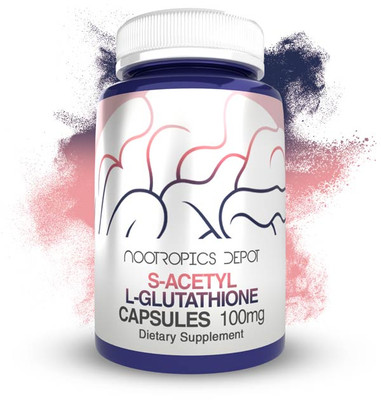
- S-acetyl glutathione (and related acetylated forms): Used for “stability” or absorption marketing. Many consumer products use this form.
- Liposomal glutathione: Marketed for improved delivery. Liposomal products can cost more, and they vary in formulation quality.
Quality standards and signals I look for before I add glutathione to a stack:
- Third-party testing: Ideally a certificate of analysis (COA) or clear testing program for potency and contaminants.
- Ingredient transparency: Exact form stated, not vague “glutathione blend” wording.
- Realistic dosing: Enough to matter, but not blindly “mega-dosed.” If the dose is unclear, treat that as a red flag.
- No mystery fillers: If the label is cluttered with many unnecessary extras, I pay extra attention to allergy risk.
Comparison of Common Options
| Format | Typical Dose/Use | Pros | Cons | Cost | Best For |
|---|---|---|---|---|---|
| Reduced glutathione (GSH) | Often 100–300 mg/day | Simple ingredient; many products are straightforward | May feel subtle; form/stability varies by brand | Low to mid | First-time users who want simplicity |
| S-acetyl glutathione (acetylated) | Often 200–600 mg/day | Common in capsules; easy to track dose | Some products include extra ingredients; not all brands are equal | Mid | Men doing a controlled 2-week trial |
| Liposomal glutathione | Often 100–250 mg/day (varies widely) | Delivery-focused marketing; can be gentler for some people | Higher price; formulation differences are hard to compare | High | People who tried standard forms and want a different approach |
| Powder blends | Often 100–500 mg/day (plus other ingredients) | Customizable dosing; sometimes cheaper per gram | Mixing consistency and extra additives can complicate tracking effects | Low to mid | People who can track outcomes carefully |
| “Glutathione + boosters” stacks | Varies; often 100–300 mg glutathione plus extras | Convenient if you already want multiple nutrients | Harder to tell what glutathione specifically is doing | Mid to high | Buyers optimizing a broader routine, not isolating effects |
Buying Framework and Red Flags
If you want the most realistic “what happens to your body when you start taking glutathione” experience, use a simple buying framework. You’re not trying to win a marketing contest; you’re trying to minimize wasted money and reduce the chance of unpleasant surprises.
Checklist:
- Does the label specify the glutathione form (reduced, S-acetyl, liposomal) rather than a vague “glutathione complex”?
- Is the mg dose clearly stated per serving?
- Is there third-party testing info (COA, batch testing, or at least clear lab standards)?
- Are the ingredient list and allergens clearly listed?
- Does the brand avoid extreme cure language (like “guarantees results”)?
- Is the price per serving reasonable for the dose and form (or suspiciously cheap for a premium claim)?
- Do you understand how you’ll take it (timing with food, pill count, consistency)?
Red flags I don’t ignore: missing dosage details, unclear forms, no testing transparency, or marketing that implies disease treatment. Those are signals you might not get what you think you paid for.
Common Mistakes and How to Avoid Them
- Expecting immediate transformation. Many people think they’ll see major changes in 24–72 hours. More realistic expectations are “subtle shifts” over days to weeks.
- Changing five variables at once. If you start glutathione and also overhaul your diet, switch pre-workout, change skincare, and sleep later—there’s no way to attribute anything.
- Taking it on an empty stomach if you’re sensitive. In my negative case, timing made the difference between tolerable and unpleasant. If you’re prone to nausea, take with food first.
- Ignoring red flags. If side effects show up quickly, stop and reassess. “Pushing through” can make things worse.
- Buying only because of buzzwords. “Liposomal” is not a magic word. Read the dose and look for quality signals.
FAQ
Is it proven that glutathione works when you start taking it?
It’s supported in parts—especially its biological role in oxidative balance—but “proven” results for specific personal outcomes are not guaranteed. Studies vary by form, dose, and endpoints, so individual experience can be mild, delayed, or absent.
How long does it take to notice what happens to your body when you start taking glutathione?
Some people notice tolerance or digestive effects within a few doses, but outcome-related changes (if any) usually take longer—often 1–4 weeks—depending on what you’re tracking and your baseline routine.
What side effects should I watch for when I start glutathione?
The most common practical issues reported by consumers include stomach discomfort, nausea, and looser stool. Stop if you experience severe or allergy-like symptoms (rash, swelling, breathing difficulty).
Can I combine glutathione with vitamin C, NAC, or my current supplements?
Many people combine antioxidants, but combining can also make it harder to know what’s causing changes. If you take medications or you’re treating a medical condition, discuss combinations with a clinician—especially if you’re on immune-modulating or blood-clotting–related therapies.
Oral glutathione vs injection/alternatives: what’s the difference for effects?
Oral supplements are the typical consumer route. Injection and medical alternatives are different interventions with different risk profiles and should be done only under appropriate medical supervision. For most buyers, the comparison that matters is oral form quality (reduced vs acetylated vs liposomal) and tolerability.
A Practical 2-Week Experiment Framework
If you want to know what happens to your body when you start taking glutathione (without getting stuck in hype), run a simple 14-day experiment. This is especially useful for 18–24 men because your lifestyle variables (sleep, training load, stress, and alcohol) change quickly—so tracking matters.
| Day | What to do | What to track | Stop if… |
|---|---|---|---|
| 1–2 | Start with label dose, preferably with food | Stomach comfort, energy, sleep onset | Any allergy symptoms or persistent nausea/diarrhea |
| 3–7 | Keep training and diet steady; don’t stack new supplements | Exercise recovery soreness, skin feel, bathroom regularity | Worsening GI issues or headaches you didn’t have before |
| 8–10 | If tolerable, continue; if not, adjust timing or stop | Any noticeable changes vs baseline | Side effects that don’t settle after dose timing adjustments |
| 11–14 | Finish the trial; take notes on what changed (or didn’t) | Overall value: “Did I get a benefit worth the cost?” | Any serious or worsening reactions |
| After Day 14 | Decide: continue, change form, or stop | Whether “what happens to your body when you start taking glutathione” matched your expectations | If you never felt tolerable or consistent benefits |
Consumer-review style rule: if you felt nothing positive but you had side effects, it’s a failed trial—even if marketing says it “should” work.
About the Author
Jordan Rivera is a supplement-focused consumer reviewer (18+ years old at the time of writing) who tracks fitness routines, skin comfort, and digestion using simple logs rather than relying on brand claims. The goal is practical: explain what happens to your body when you start taking glutathione in a way that an average buyer can compare across products. My reviews include both success and failure cases, including a negative experience where glutathione caused digestive discomfort within days—followed by improvement after stopping.
Disclaimer: This article is for informational purposes and reflects personal consumer experiences and general supplement knowledge, not medical advice. If you’re managing a health condition or taking medication, check with a qualified clinician before starting glutathione.
Want the most accurate next step? Pick one goal (like digestion tolerance, workout soreness, or skin feel), choose one glutathione form, and run a short trial. That’s the most honest way to learn what happens to your body when you start taking glutathione.
Discussion