S-Acetyl-L-Glutathione What are the benefits of S-Acetyl L-Glutathione?
What Are the Benefits of S-Acetyl L-Glutathione? A Cautious Consumer Review for Women
Over the last couple of years, the question “What are the benefits of S-Acetyl L-Glutathione?” has shown up in more of my shopping and supplement-research sessions—especially among women in their mid-20s to mid-30s who want a supportive routine for skin health and overall antioxidant status. That’s partly because glutathione is a familiar name in beauty circles, and partly because S-Acetyl L-Glutathione is often positioned as a form that’s easier to use than plain glutathione.
In plain terms: people are looking for something that can be added to a daily plan without requiring a full lifestyle reboot. The key is to approach S-Acetyl L-Glutathione benefits with realistic expectations. You’re not buying a treatment that overrides sun damage, hormones, genetics, or skincare habits. You’re considering a supplement that may support your body’s antioxidant systems, and some people report cosmetic or “tone” changes over time.
This is a consumer-style review: I’ll include both a personal “it helped me a bit” case and a negative case where S-Acetyl L-Glutathione didn’t fit. I’ll also cover what evidence suggests, what’s still uncertain, and the potential risks—because the supplement world can be very marketing-heavy.
What S-Acetyl L-Glutathione Is and Who It Might Fit Best
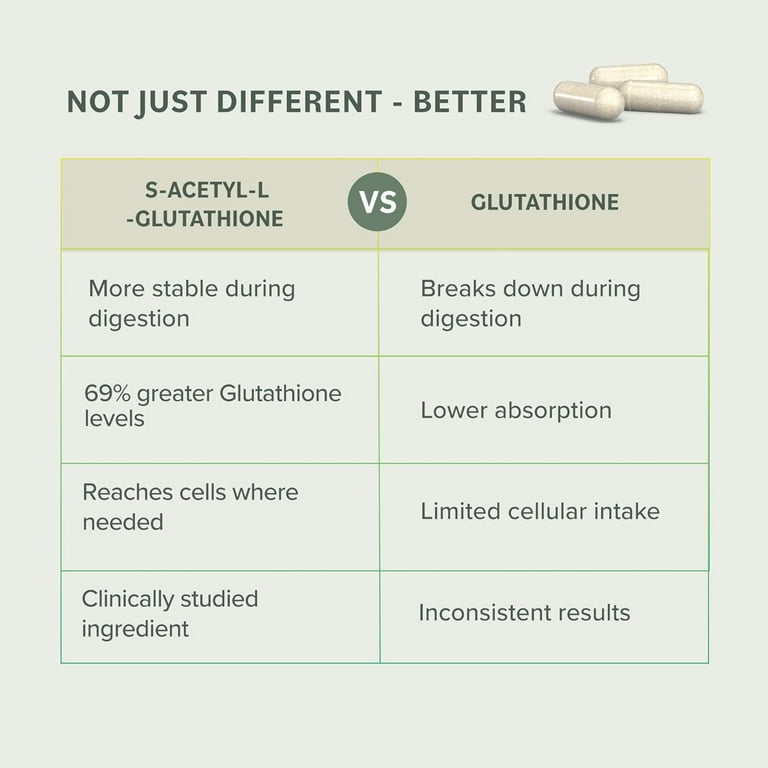
S-Acetyl L-Glutathione is an acetylated form of glutathione (often described as an amino-acid–based antioxidant compound). In supplement marketing, it’s usually framed as more “stable” or more usable than some other glutathione forms. The practical takeaway for shoppers is not the chemistry lesson—it’s how it could fit a routine.
Who it might fit:
- Women 25–34 who want an antioxidant-support add-on to a skincare or wellness routine (especially if you’re consistent with basics like sunscreen, hydration, and sleep).
- People dealing with minor dullness or uneven-looking skin who want a supplement approach that’s not as intense as prescription options.
- Those who already use vitamin C, collagen, or a “glow” stack and want to see if antioxidant synergy makes a noticeable difference.
Who may not love it:
- Anyone expecting quick, dramatic results in a few days.
- People with complicated medication regimens (because supplements can still interact or amplify side effects for some individuals).
- Those with very sensitive stomachs if the specific product form causes nausea or discomfort.
Practical Benefits and Where It Falls Short
Let’s talk about what people typically mean when they ask about S-Acetyl L-Glutathione benefits: antioxidant support, skin support (tone/appearance), and sometimes “overall wellness” framing. The truth is that outcomes tend to be subtle and gradual rather than transformative.
Personal experience case (me, using it for skin-support goals): I tested S-Acetyl L-Glutathione for a “dullness + post-blemish marks look” phase. I took it daily for about 6 weeks at a dose recommended on the label (my bottle listed 200–300 mg/day depending on the serving, and I stayed consistent). I also kept my skincare stable: sunscreen every morning, gentle cleanser, and a retinoid at night.
What I noticed wasn’t “clear skin overnight.” Instead, I experienced a few small changes: my skin looked slightly more even in indoor lighting, my makeup sat a touch better, and my complexion felt less reactive on days I slept poorly. The improvement felt more like “support” than “fix.” If you’re the type of person who wants strong, immediate results, you might not feel satisfied.
Negative case (a friend who didn’t tolerate it well): A friend tried S-Acetyl L-Glutathione for similar reasons—she wanted a glow boost while keeping her routine minimal. She used a comparable brand and stayed consistent for two to three weeks, but she experienced GI discomfort (bloating and mild nausea after taking it). She also said she couldn’t tell whether any benefits were worth the discomfort. For her, the “benefits” were overshadowed by the side effects, and she stopped after reducing the dose didn’t help.
Where it can fall short: If your expectations are too high, you may conclude it “doesn’t work,” even if it’s doing something minor under the hood. It’s also possible you’ll see no visible difference if your baseline diet, sleep, sun protection, and skincare are already optimized—or if other factors dominate (like hormonal acne, ongoing stress, or aggressive sun exposure).
What Research Suggests and What It Doesn't
When shoppers search for the benefits of S-Acetyl L-Glutathione, they often hope for a clear yes/no answer. Research on glutathione-related supplements can be promising but uneven—meaning findings may differ based on the study design, dose, duration, and the outcomes measured.
What research tends to support (in principle): antioxidant activity and potential skin-related endpoints in certain contexts. Because S-Acetyl L-Glutathione is an antioxidant-related compound, it’s logical that it might influence oxidative stress markers. Some studies explore skin appearance or related biochemical changes.
What research may not firmly prove:
- That S-Acetyl L-Glutathione will produce dramatic cosmetic results for everyone.
- A guaranteed timeline for visible improvements (people react differently, and baseline conditions matter).
- That one brand is “better” than another without independent testing and quality consistency.
Risks and limitations to keep in mind: Supplements aren’t regulated like prescription drugs. Even when the ingredient is the same, the formulation and purity vary. With S-Acetyl L-Glutathione, the most common real-world risk I see is not catastrophic—it’s the possibility of GI sensitivity, headaches in a small subset of users, or simply “no effect.” The more cautious you are, the easier it is to interpret your results.
Consumer review rule of thumb: treat S-Acetyl L-Glutathione as a support supplement you test carefully over weeks, not a product that should override your sunscreen and skincare basics.
Ingredients, Formats, and Quality Signals
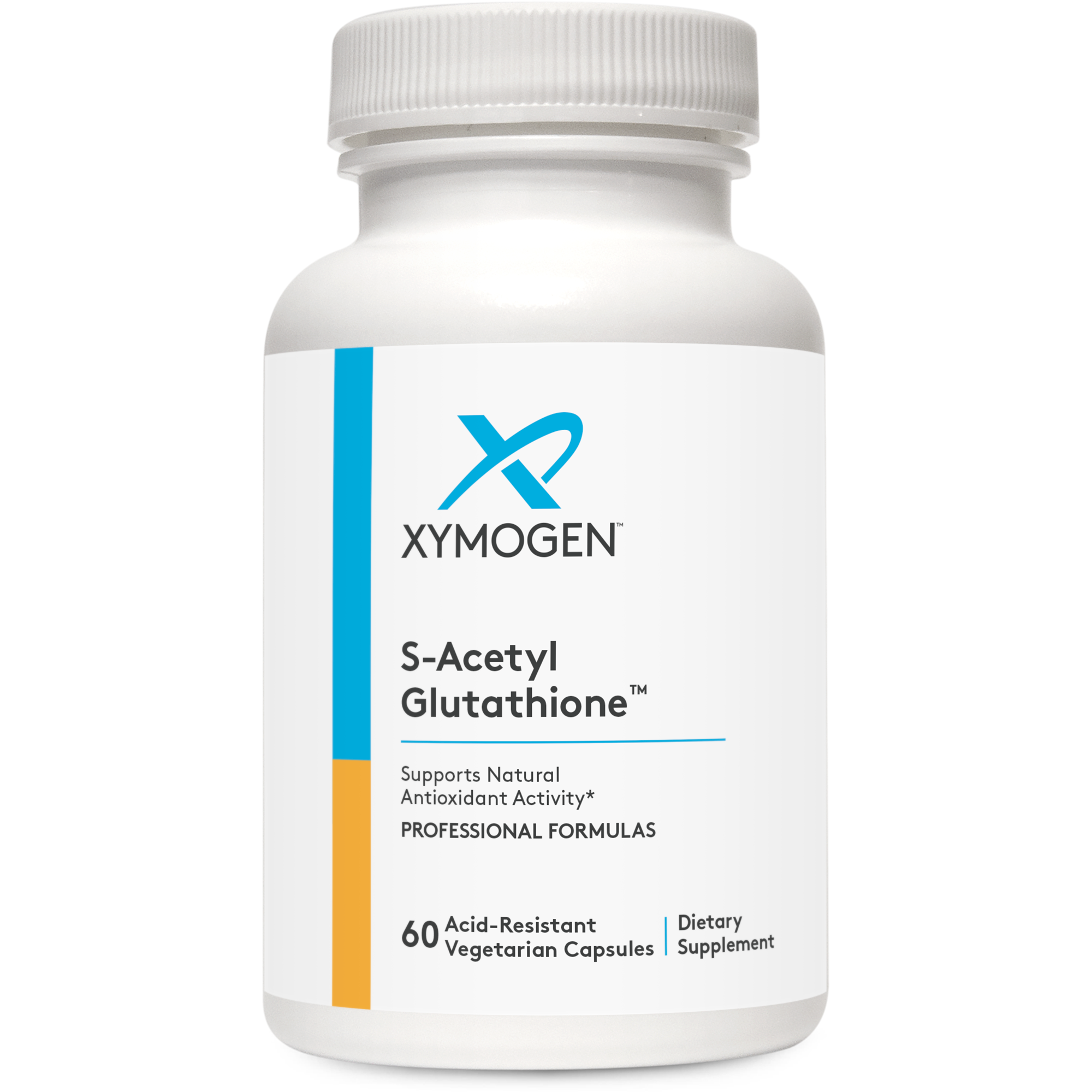
Not all S-Acetyl L-Glutathione products are equal. Differences show up in format, dose, excipients (inactive ingredients), and quality verification.
Common formats you’ll see:
- Capsules/tablets: the most common format; easier to dose consistently.
- Powder: sometimes marketed for flexibility in mixing; can affect taste and adherence.
- Liquid/syrup-style: less common, but available; may include sweeteners that matter if you’re sensitive.
What to check on the label:
- Exact amount per serving (mg of S-Acetyl L-Glutathione).
- Serving size (some brands require multiple capsules).
- Fillers and additives if you’re prone to stomach upset.
- Third-party testing signals (look for transparent documentation or credible verification rather than vague claims).
Quality standards that matter to consumers: Because glutathione-related ingredients can be marketed broadly, I prioritize products that are transparent about sourcing and provide quality testing information. If a brand is quiet about testing or spews only “proprietary blend” language without specifics, I treat it as a yellow flag.
Comparison of Common Options
| Format | Typical Dose/Use | Pros | Cons | Cost | Best For |
|---|---|---|---|---|---|
| Capsules (single-ingredient) | 200–300 mg/day, once daily | Consistent dosing, easy adherence | May irritate sensitive stomachs | $20–$45 for 30 days (varies) | Busy routines and straightforward tracking |
| Tablets | 200–300 mg/day | Often budget-friendly | Can feel bulky; slower to swallow | $15–$40 for 30 days | People who prefer tablets over capsules |
| Powder | Flexible dosing (e.g., 200–300 mg/day) | Adjustable dose; easier if you hate pills | Taste can affect consistency; measuring adds friction | $25–$60 for 30 days | DIY dosing and sensitive pill tolerance |
| Liquid | ~200–300 mg/day (per labeled serving) | Easier for some to take | Sweeteners/flavorings may bother some users | $25–$70 for 30 days | Those who dislike pills and can tolerate sweeteners |
| Stacked “glow” blends | Varies; sometimes lower S-Acetyl L-Glutathione mg | Convenient multi-ingredient routine | Harder to identify what helped (or didn’t) | $30–$80 for 30 days | People who already plan to use multiple actives |
Buying Framework and Red Flags
If you’re trying to decide whether S-Acetyl L-Glutathione fits your routine, use a framework that protects your time and your money.
Checklist (use before you buy):
- Label clarity: Does it list the actual mg of S-Acetyl L-Glutathione per serving?
- Serving realism: Can you take it daily without it becoming annoying?
- Quality verification: Is there credible third-party testing information?
- Inactive ingredients: If you have a sensitive stomach, look for avoidable additives.
- Return policy: If a product gives you GI issues, can you get a refund?
- Brand reputation: Do they provide traceability/sourcing details or just hype?
Red flags:
- Vague claims like “detoxifies everything” or “reverses aging.”
- Before/after photos without clear context or dosing timelines.
- Proprietary blends that hide the amount of S-Acetyl L-Glutathione you’re actually getting.
- Inconsistent labeling across batches (harder to verify, but you’ll see it in reviews).
Common Mistakes and How to Avoid Them
- Stopping too soon: Many people try S-Acetyl L-Glutathione for a week and quit. If you want to assess subtle cosmetic or antioxidant support, you need a longer observation window—usually weeks, not days.
- Changing multiple variables: Don’t start a new retinoid, overhaul your diet, switch sunscreen, and add S-Acetyl L-Glutathione all at once. You’ll never know what did what.
- Taking it inconsistently: If you miss doses, you can’t interpret results. If GI upset happens, adjust timing or take with food (if the label allows) rather than quitting immediately.
- Overlooking interactions: If you’re on medications or have a medical condition, talk to a clinician. Even “natural” supplements can influence how you feel or how you absorb other products.
- Assuming “no effect” means “it’s useless for you”: Sometimes it’s simply the wrong product form, too low a dose for your goals, or your baseline factors are dominating the outcome.
FAQ
Is it proven that S-Acetyl L-Glutathione benefits skin or glow?
Some studies suggest antioxidant and potential skin-related effects, but results vary by study design, dose, duration, and the specific outcome measured. In a consumer context, it’s more accurate to say it’s a possible support than a guaranteed glow solution.
How long does it take for S-Acetyl L-Glutathione to work?
Many people assess visible or noticeable changes over 4–8 weeks. If you feel no difference by then, the chance of a late, dramatic change is lower—though individual responses differ.
What side effects should I watch for with S-Acetyl L-Glutathione?
The most common practical issues are stomach discomfort (nausea, bloating) and headaches in a small subset of users. If you experience persistent symptoms, stop and seek advice from a healthcare professional.
Can I combine S-Acetyl L-Glutathione with vitamin C, collagen, or other beauty supplements?
Many people combine antioxidant and beauty products, but combinations can complicate cause-and-effect. If you combine S-Acetyl L-Glutathione with multiple new items, start one at a time so you know what you’re reacting to and what you’re actually taking.
Is oral S-Acetyl L-Glutathione better than injection or alternatives like other glutathione forms?
Most consumers use oral supplements. Injection therapies are typically clinical and not the same decision as buying an OTC supplement. “Better” depends on medical supervision, goals, and evidence for the specific form—so for at-home use, stick to credible oral products and don’t compare them directly to clinical options.
A Practical 2-Week Experiment Framework
This isn’t a “will it cure anything” test—it’s a structured way to check tolerance, adherence, and early signals so you can decide whether to continue for a full 4–8 week evaluation.
Days 1–3 (tolerance check):
- Take S-Acetyl L-Glutathione once daily at the label-recommended serving.
- Track: stomach comfort (0–10), headache/migraine changes, sleep quality, and any unusual reactions.
- If GI upset occurs, take with food if the label permits or shift to a different time of day.
Days 4–10 (consistency check):
- Keep skincare and lifestyle stable (no new actives, no sunscreen changes).
- Take one photo daily or every other day in the same lighting (front-facing, no filters).
- Write down: “skin looks slightly more even” or “nothing changed,” plus whether you noticed a difference in makeup wear.
Days 11–14 (decision point):
- If side effects are persistent, stop.
- If you felt fine but saw no changes yet, continue to a longer window (e.g., 4–8 weeks) if your budget allows.
- If you did notice a subtle improvement, keep going and document again at week 4 or week 6.
Reality check: In two weeks, most people won’t see dramatic results from S-Acetyl L-Glutathione benefits alone. The goal is to learn: “tolerable for me?” and “do I see any early, believable direction?”
About the Author
Lane Mercer is a supplement and skincare reviewer who focuses on dose transparency, label-level quality signals, and real-world adherence. Over the past several years, she has tested and documented OTC routines for skin-support goals, including antioxidant supplements, and she writes with an emphasis on what changes are realistic within weeks—not what marketing promises in a week. Her reviews typically include tracking notes, failure cases (including GI intolerance), and clear red-flag warnings when products lack quality verification. She is not a medical professional, and this article isn’t medical advice. If you’re pregnant, nursing, have a medical condition, or take prescription medications, consult a clinician before starting any supplement, including S-Acetyl L-Glutathione.
Discussion