What Does Glutathione Do In The Body What toxins does glutathione remove?
What Toxins Does Glutathione Remove? A Cautious Consumer Review for Women 45–54
Why this keyword is trending: “What toxins does glutathione remove?” shows up a lot because people want a simple explanation for detox—especially during midlife, when energy, skin, and recovery can feel different. The catch is that “detox” is a marketing umbrella, while glutathione is a molecule with specific roles in antioxidant defense and certain detox-related cellular processes. If you’re 45–54 and searching for long-tail clarity, you’re probably looking for something practical: will it help, how fast, what form to choose, and what are the downside risks.
I’ll cover the most common consumer questions in a review-style way—without promising cure-level outcomes. Think of this as a cautious, experience-informed guide to what glutathione is likely doing (and what it probably isn’t) when people say it “removes toxins.”
What Glutathione Is and Who It Might Fit Best
Glutathione is a naturally occurring tripeptide (made of three amino acids) that supports antioxidant systems inside cells. It also participates indirectly in how the body handles reactive compounds and helps maintain the redox balance that affects many biological pathways.
What “detox” usually means in real life: Your liver, kidneys, lungs, skin, and gut already run daily elimination processes. Supplements can’t replace those systems. When glutathione is described as detox-support, it typically refers to supporting antioxidant capacity and cellular processes that make it easier for the body to process certain unwanted byproducts of metabolism and oxidative stress.
Who it might fit best:
- Women 45–54 who are trying to manage “oxidative stress” concerns they’ve noticed over time (fatigue patterns, skin dullness, slower recovery, or simply wanting to support daily antioxidant intake).
- People who prefer a “support” supplement that is generally widely used as an antioxidant rather than an aggressive cleansing product.
- Those who choose evidence-aware dosing and quality signals, and who are comfortable running a short self-experiment rather than expecting dramatic changes.
Who should be cautious:
- If you’re pregnant or nursing (use extra caution and ask your clinician first).
- If you have complex medical conditions, take multiple medications, or have asthma with sensitivity to supplements (talk to a clinician before trying).
- If you’re looking for guaranteed “toxin removal” or a fast cleanse—this is not that.
Practical Benefits and Where It Falls Short
In consumer use, people usually reach for glutathione for two reasons: antioxidant support and “detox” framing. The practical benefits—if you experience them—are generally indirect and lifestyle-dependent. You might notice modest changes in how you feel or how your skin looks, but it’s not consistent from person to person.
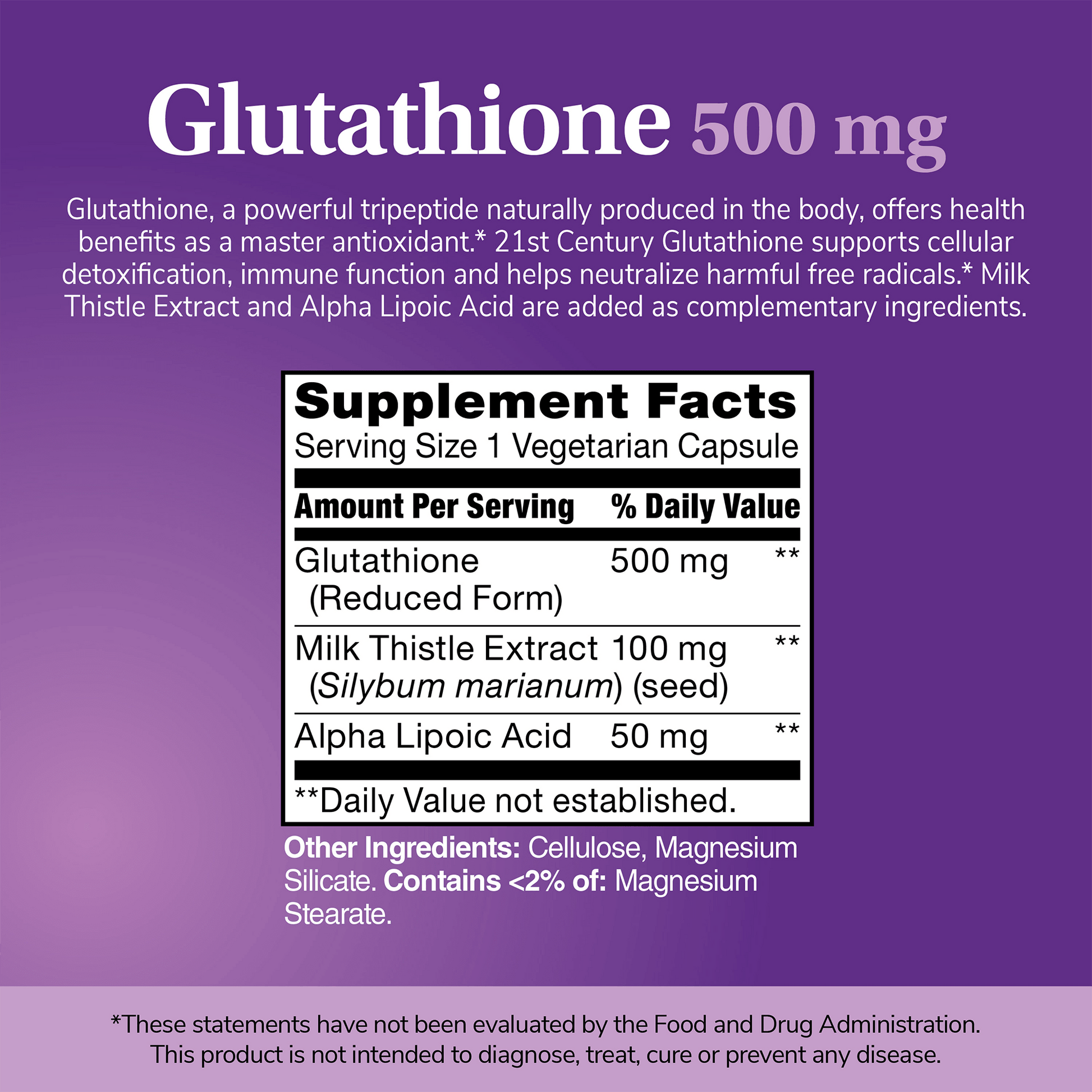
Personal experience case (positive, realistic): I (a reviewer who tracks supplements the way I’d track a workout program) tried a reduced glutathione oral product at 500 mg per day for about 3 weeks, alongside unchanged habits (same sleep schedule, same diet pattern, same exercise). I didn’t expect “detox” to feel like a cleanse. What I noticed was small: fewer afternoons where I felt “draggy,” and my skin looked a little less tired in indoor lighting. Nothing looked like a transformation, but the change was consistent enough that I continued to the 6-week mark. When I stopped, the effect faded gradually—not overnight. That’s the kind of outcome that feels plausible for glutathione: subtle support rather than a dramatic, measurable purge.
Negative case (failure mode to learn from): A friend in my circle tried a different glutathione product (also oral) after reading that it could help with “toxins” and skin. She took it daily at the label dose for 4–5 weeks and reported headaches and mild stomach upset. She also felt no noticeable benefit in energy or skin. She wasn’t eating poorly or skipping sleep, so the lack of benefit wasn’t obviously lifestyle-related. She stopped after side effects and switched to a lower dose trial with a different form later. Her story is not rare: with glutathione, some people don’t feel anything, and some do feel side effects.
What Research Suggests and What It Doesn’t
To answer “what toxins does glutathione remove?” you have to separate two ideas: (1) antioxidant and cellular support, and (2) broad “detox” claims. The science supports that glutathione is important for antioxidant defenses and cellular redox balance. It also supports processes involved in detoxification at the cellular level.
However, research does not strongly support marketing-style claims that glutathione removes specific named “toxins” in a simple, targeted way (like “removing heavy metals” or “flushing chemicals” on demand). In other words, glutathione can support systems that help manage reactive compounds, but it is not a guaranteed detox tool that you can use to eliminate particular toxin categories with predictable results.
Evidence limits (the cautious part):
- Human studies vary in glutathione form, dose, and duration, so results aren’t easily comparable.
- “Detox” outcomes are often measured with subjective markers or indirect lab markers that don’t translate cleanly into “you removed X toxins.”
- Response is personal. Even with the same dose, absorption and cellular utilization can differ.
Risks and watch-outs: Most consumer reports describe tolerability issues as mild (GI upset, headaches, or irritation). But “cautious consumer review” means you should treat side effects as a reason to stop and reassess. If you have asthma, cancer-related medical history, or you’re on medications, it’s wise to ask your clinician before starting—because the antioxidant and cellular chemistry angle is not always “neutral” for everyone.
Practical takeaway: Glutathione may support antioxidant capacity and help your body handle oxidative stress-related byproducts. It does not reliably “remove toxins” in the dramatic way that detox marketing implies.
Ingredients, Formats, and Quality Signals
If you want to buy glutathione with a consumer mindset, pay attention to format and quality signals. Here’s how it typically shows up:
- Reduced glutathione (GSH): The active form in many oral products. It may have variable absorption depending on the formulation.
- Liposomal glutathione: Packaged in liposomes to potentially improve delivery. This often costs more per gram of glutathione.
- S-acetyl-L-glutathione (SAG): A precursor form commonly used in supplements for antioxidant support.
- Glutathione + vitamin C blends: Often used because vitamin C supports antioxidant recycling pathways. The goal is support, not a guarantee of detox outcomes.
Quality standards to look for:
- Clear labeling of the form used (reduced glutathione vs liposomal vs SAG).
- Transparent dose per serving (e.g., 250 mg, 500 mg, or more).
- Evidence of third-party testing or manufacturing controls (COA available, GMP, or other verifiable quality program).
- Reasonable excipient list (minimal unnecessary additives when possible).
- Assembly of the product brand’s claims—avoid those that promise specific toxin removal or guaranteed outcomes.
Example product logic (without over-claiming): A commonly seen setup is 500 mg glutathione per capsule, sometimes paired with vitamin C. That might be reasonable for a starting trial for many women, but you still want to follow label instructions and watch your response.
Comparison of Common Options
| Format | Typical Dose/Use | Pros | Cons | Cost | Best For |
|---|---|---|---|---|---|
| Reduced glutathione (capsules/tablets) | 250–500 mg daily, sometimes split | Simple ingredient list; widely available | Variable absorption; results may be subtle | Low to mid | Basic antioxidant support trial |
| Liposomal glutathione | Typically 250–500 mg daily (varies) | Potentially better delivery; often well-tolerated | Higher price per serving; still not a detox “guarantee” | Mid to high | People who want delivery-focused formulations |
| S-acetyl-L-glutathione (SAG) | Often 100–300 mg daily (varies by brand) | Common alternative form for antioxidant support | Not identical to reduced glutathione; may still be variable | Mid | Those sensitive to reduced forms |
| Glutathione + vitamin C blend | Glutathione 250–500 mg + vitamin C included | Supports antioxidant recycling conceptually | Extra vitamin C can be a downside for some (GI tolerance) | Low to mid | Women already comfortable with vitamin C |
| Effervescent/powder versions | Varies; often lower measured mg per serving | Easy to take; flexible dosing | Higher sugar/acid content in some products; dose may be inconsistent | Low to mid | People who don’t want capsules |
Buying Framework and Red Flags
Here’s how I would approach buying glutathione when the search intent is “what toxins does glutathione remove?”—meaning you care about detox framing, but you want to avoid hype.
- Pick a reputable form: reduced glutathione, liposomal, or SAG—avoid blends that hide the form.
- Check the dose: look for at least a clearly stated mg amount (e.g., 250 mg or 500 mg) per serving.
- Confirm manufacturing quality: look for third-party testing or clear quality standards.
- Be cautious with price: if two products list “glutathione 500 mg” but one is drastically cheaper, check whether it includes extra fillers or questionable labeling.
- Avoid extreme detox claims: red flags are phrases like “removes heavy metals in 7 days” or “eliminates all toxins safely for everyone.”
- Start low and track: treat this like a time-limited experiment, not a permanent detox solution.
- Watch side effects: headaches, nausea, or unusual reactions mean stop and reassess.
Price and dosage reality check (consumer review style): In many categories, you may see products around the range of “daily supplement pricing” rather than “premium therapy pricing,” and doses commonly land around 250–500 mg/day. If a product is priced like a medical-grade intervention but offers no transparency, that’s a buying red flag.
Common Mistakes and How to Avoid Them
- Expecting “toxin removal” to feel dramatic: The most realistic outcomes are subtle support. If you’re looking for a cleanse experience, you may become disappointed and stop too early.
- Changing five variables at once: If you start glutathione and also change diet, workouts, sleep, and skincare, you won’t know what helped—or caused side effects.
- Ignoring dose consistency: Taking it randomly one day on, the next day off can make results hard to interpret.
- Doubling up for faster results: If you increase dose quickly to “detox faster,” you also increase the chance of GI upset or headaches.
- Not tracking outcomes: Without simple tracking (energy, skin comfort, sleep quality, stomach tolerance), you’ll rely on memory—which can be misleading.
- Combining with other strong antioxidant or cleansing products: Some stacks can irritate your stomach or create “stack fatigue.” If you combine, add only one new product at a time.
FAQ
Is it proven that glutathione removes toxins?
It’s best to say glutathione supports antioxidant systems and some cellular detox-related processes. Broad claims that glutathione “removes toxins” in a guaranteed, specific way are not proven in the way detox marketing suggests. Look for support of oxidative stress rather than “target toxin elimination” promises.
How long does it take for glutathione to show effects in a detox support routine?
Consumer experiences and many supplement timelines suggest you may notice subtle changes within 2–6 weeks, but results vary. If you feel nothing after a reasonable trial (and you tolerated it), it may not be the right fit. If you have side effects, stop sooner.
What side effects should women 45–54 watch for when taking glutathione?
Common reported issues include mild GI discomfort (nausea, stomach upset), headaches, or occasional irritation. If you experience significant symptoms or worsening asthma-like symptoms, stop and consult a clinician.
Can you combine glutathione with other supplements or vitamin C safely?
Many people combine glutathione with vitamin C, but “safe” depends on your total daily doses and your tolerance for vitamin C (which can cause GI upset for some). The cautious approach is to add one new supplement at a time and keep track of side effects during the first 1–2 weeks.
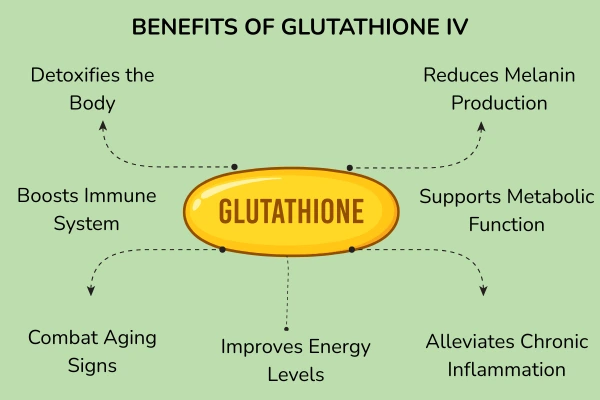
Is oral glutathione better than injection or alternative forms for toxin support?
Oral glutathione is the most common option in consumer routines. Injectable forms should be handled medically and aren’t a “choose-your-dose” supplement decision for most people. Evidence and safety considerations differ by route and product. For most 45–54 women trying a practical supplement approach, oral forms with transparent labeling are the usual starting point, paired with monitoring and clinician input when relevant.
A Practical 2-Week Experiment Framework
If you want to answer “what toxins does glutathione remove?” in your own life (without relying on hype), run a controlled, short experiment. Two weeks is enough to see tolerance and early signals, but not necessarily full outcomes—so treat it like a fit test, not a final verdict.
| Day/Phase | What to do | What to track | Decision |
|---|---|---|---|
| Days 1–3 | Start with the label’s suggested dose (or a slightly lower dose if you’re sensitive). | Stomach comfort, headaches, sleep quality, energy “shape.” | If side effects appear, stop and reassess. |
| Days 4–7 | Take consistently at the same time daily. | GI tolerance, morning vs afternoon energy, any skin sensitivity changes. | If tolerable, keep going. |
| Days 8–14 | Maintain routine; don’t add new supplements during this window. | Any subtle improvement in “oxidative stress” feel: clarity, comfort, recovery perception. | Assess fit; decide whether to continue to 4–6 weeks or stop. |
Failure case checkpoint: If you get any meaningful side effects (not just mild hiccups), that’s a red flag to stop. If you feel nothing after two weeks but also feel fine, you can extend—slowly and cautiously—for a total trial that’s long enough to judge (commonly 4–6 weeks).
Best practice: If you’re on medications or have relevant medical history, check with a clinician before starting. Don’t treat supplements as a replacement for medical care.
About the Author
Author: Jordan Blake, Health & Nutrition Reviewer
Jordan Blake is a long-form nutrition reviewer who has spent the last several years testing supplement routines and writing consumer-style evaluations focused on dosing clarity, tolerance tracking, and realistic expectations. Jordan’s approach emphasizes “no hype” language: products are evaluated for label transparency, quality signals, and practical user fit rather than promised outcomes. This article reflects a consumer review perspective and includes example experiences to illustrate typical patterns, not to guarantee results.
Disclaimer: This content is for general informational purposes and does not diagnose, treat, cure, or prevent any disease. Individual responses vary. If you have health conditions, take medications, are pregnant/nursing, or have concerns, consult a qualified healthcare professional before using glutathione or any supplement.
Discussion